
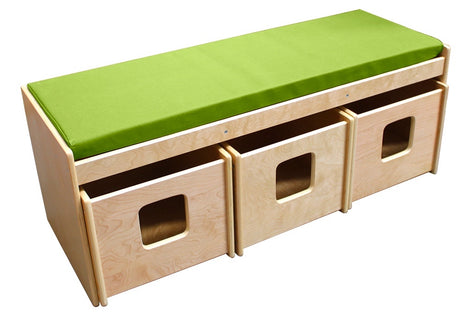
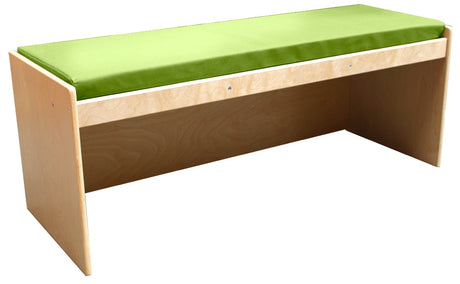
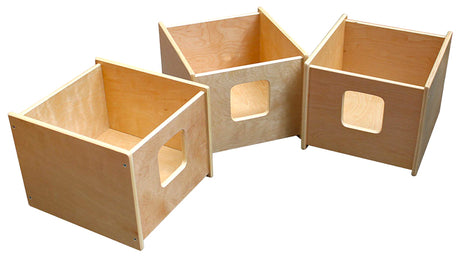
Sofa Bench Seat With 3 Mobile Storage Cubes
Regular price $84689Unit price /Unavailable-
 Regular price $46189Unit price /Unavailable
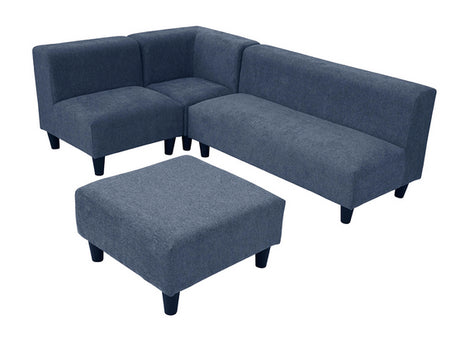
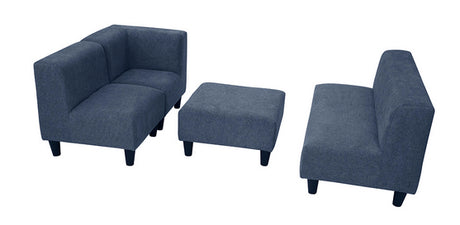
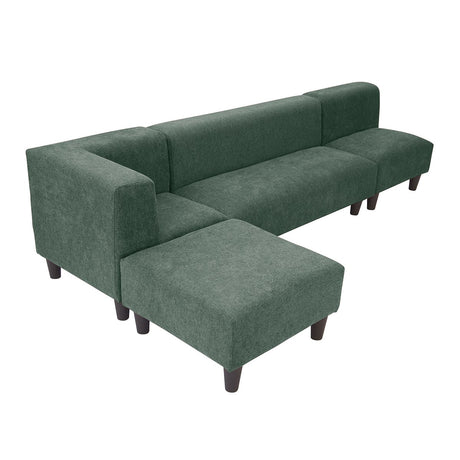
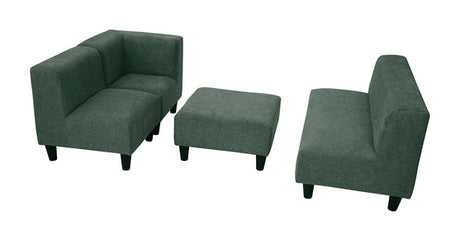
Modular Children's Lounge Suite Indigo 4pcs
Regular price $72589Unit price /Unavailable-
Modular Children's Lounge Suite Forest 4pcs
Regular price $72589Unit price /Unavailable-
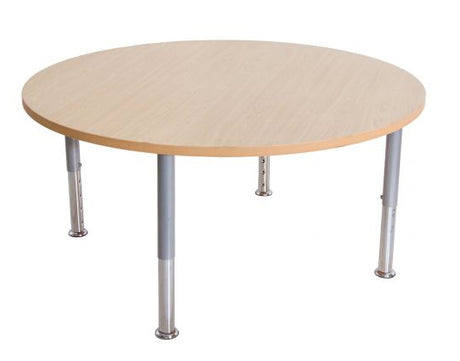
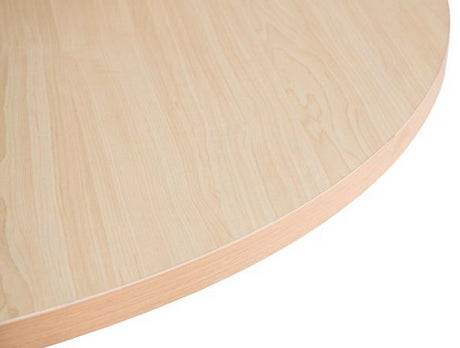
Adjustable Birch Laminate Round Table – 120cm
Regular price $61589Unit price /Unavailable-
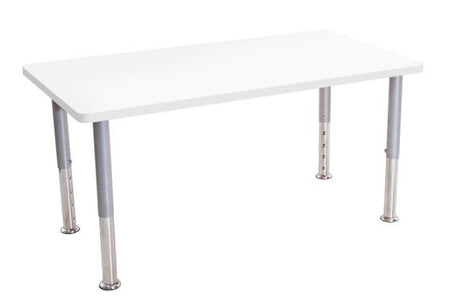
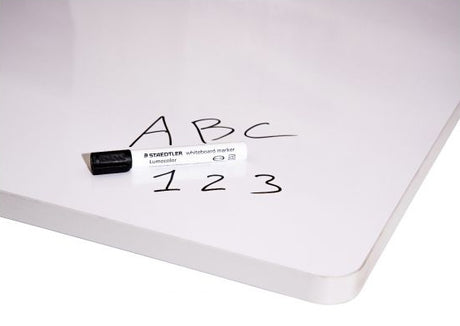
Adjustable Whiteboard Table – 120 x 60cm
Regular price $50699Unit price /Unavailable-
- Sale
Outdoor Cypress Pine Carpentry Bench – 2 or 4 Vices
Sale price From $84249 Regular price $87989Unit price /Unavailable -
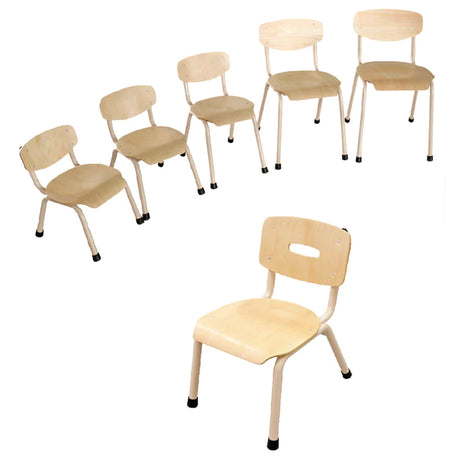
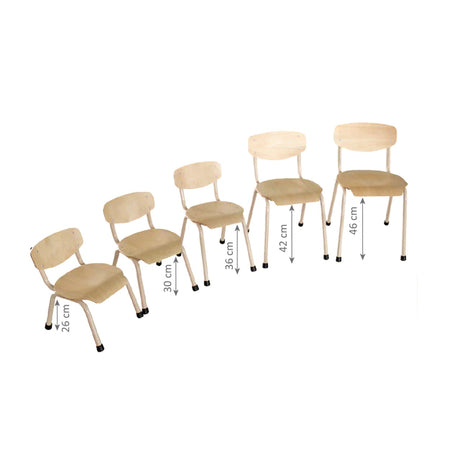
Kiga Stackable Birch Plywood Chairs – Student & Teacher Sizes
Regular price From $8789Unit price /Unavailable-
Solid Rubberwood High/Low Chair 5 Point Harness with Insert
Regular price $32989Unit price /Unavailable-
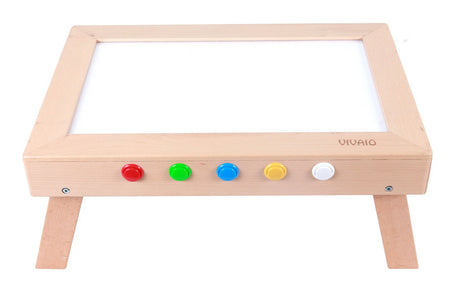
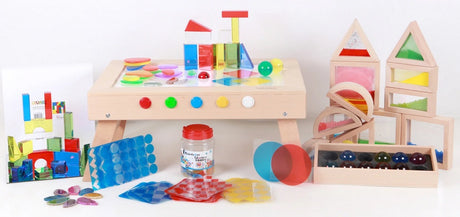
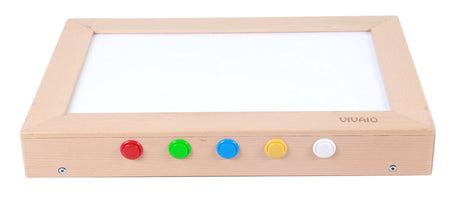
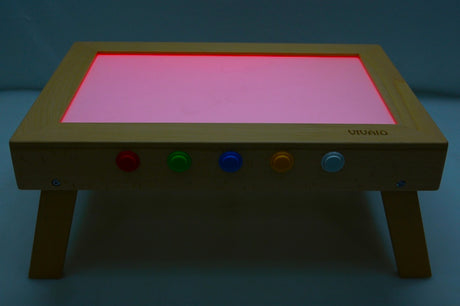
Rechargeable Colour-Changing Light Table
Regular price $65989Unit price /Unavailable-
Adjustable Collaborative Whiteboard Table
Regular price $63789Unit price /Unavailable-
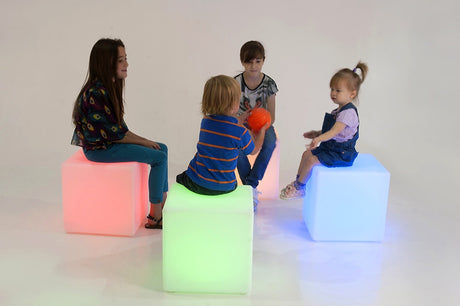
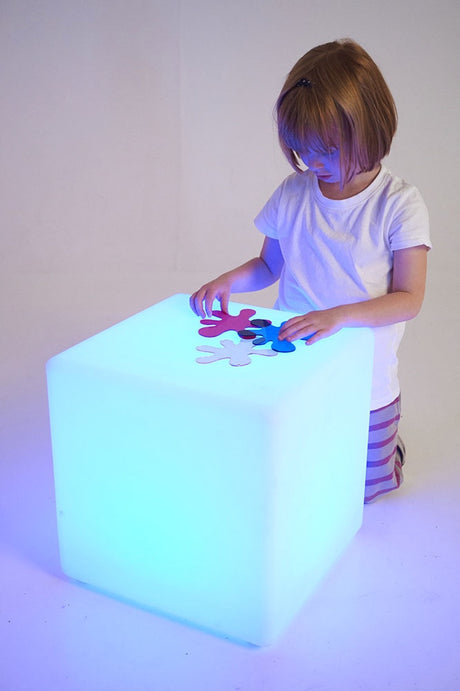
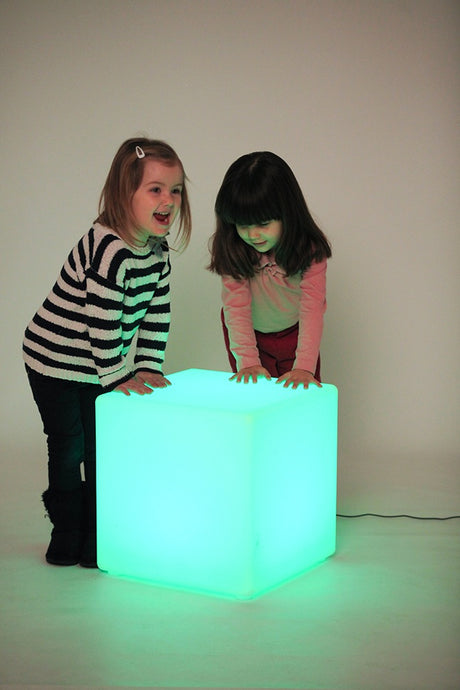
LED Sensory Mood Cube Seat – Light-Up Furniture for Kids
Regular price $43989Unit price /Unavailable-
- SaleSale price $32989 Regular price $37389Unit price /Unavailable
-
- Sale
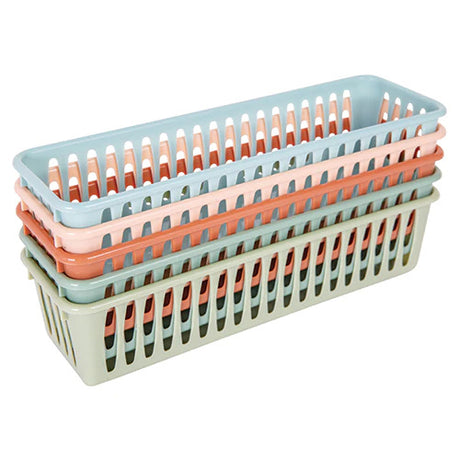
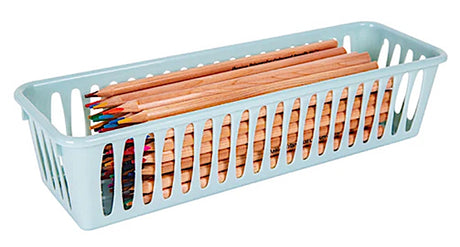
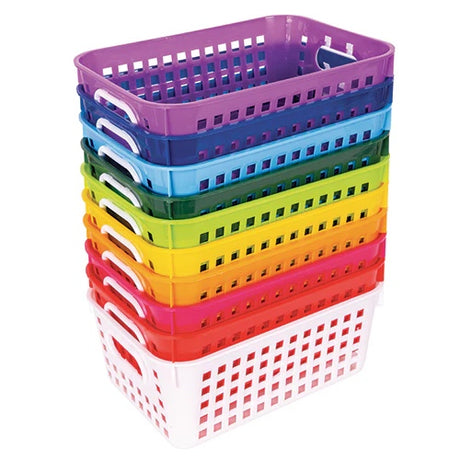
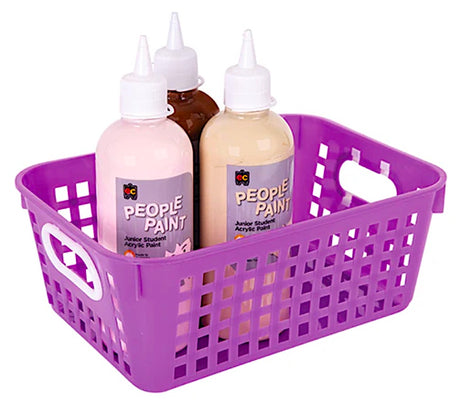
Classroom Pencil Baskets - Colours of Australia 5pcs
Sale price $1925 Regular price $2173Unit price /Unavailable -
- Sale
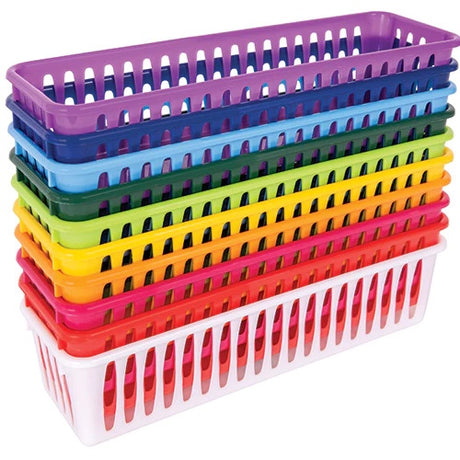
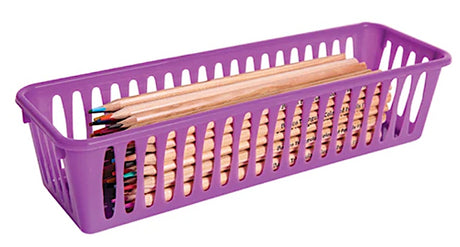
Classroom Pencil Baskets - Set of 10
Sale price $3905 Regular price $4345Unit price /Unavailable -
Storage Baskets Assorted Colours 10pcs
Regular price $7150Unit price /Unavailable-
- Regular price $54989Unit price /Unavailable
-
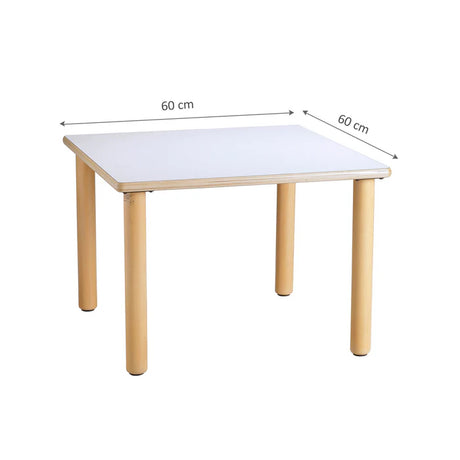
Square White Laminate Classroom Table with Timber Legs – 60 × 60 cm
Regular price From $26389Unit price /Unavailable-
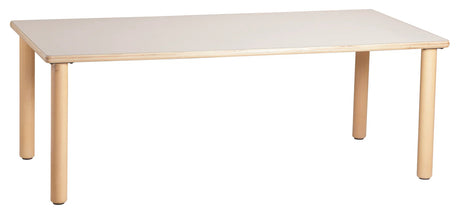
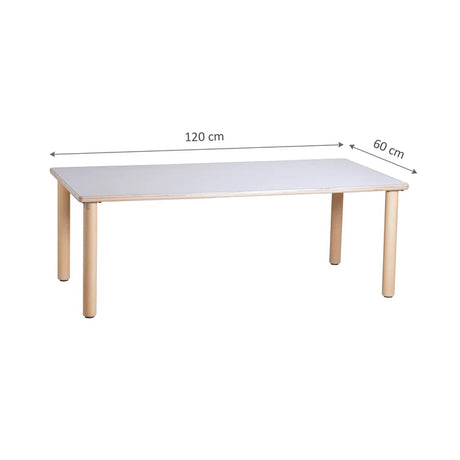
Rectangular White Laminate Classroom Table with Timber Legs – 120 × 60 cm
Regular price From $36289Unit price /Unavailable-
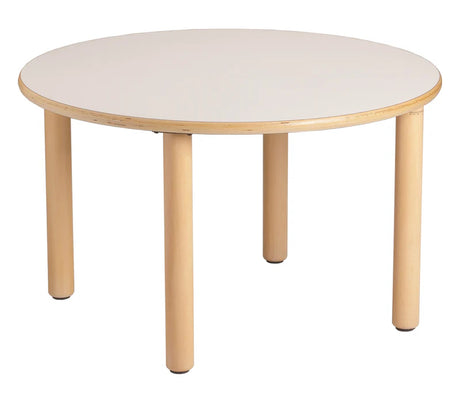
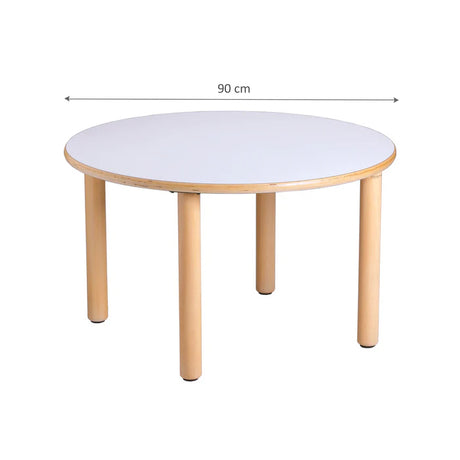
Round White Laminate Classroom Table with Timber Legs – 90 cm diameter
Regular price From $41789Unit price /Unavailable-
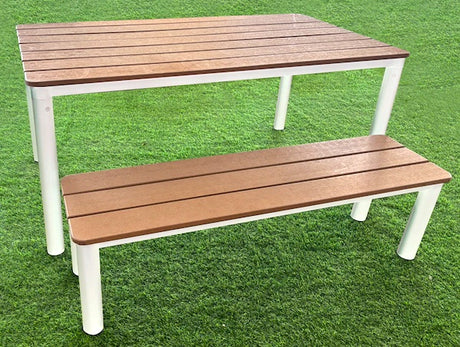
Outdoor Composite Table and Two Bench Seats
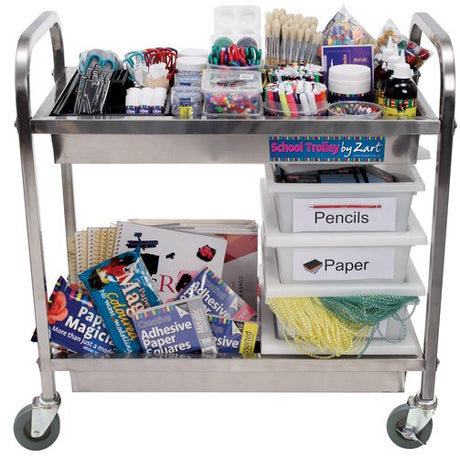
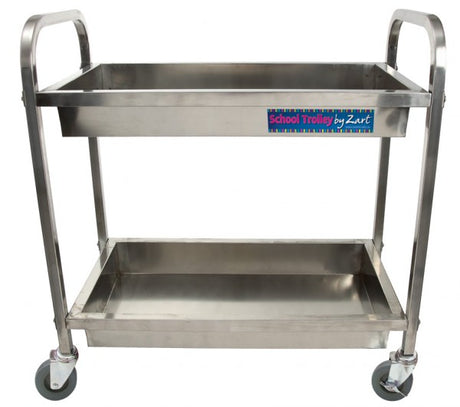
Regular price $1,09989Unit price /UnavailableStainless Steel School Trolley
Regular price $54439Unit price /UnavailableVery low stock (1 unit)-
Maple Laminate Craft Trolley 105cmW x 45.5cmD x 78cmH
Regular price $98989Unit price /Unavailable-
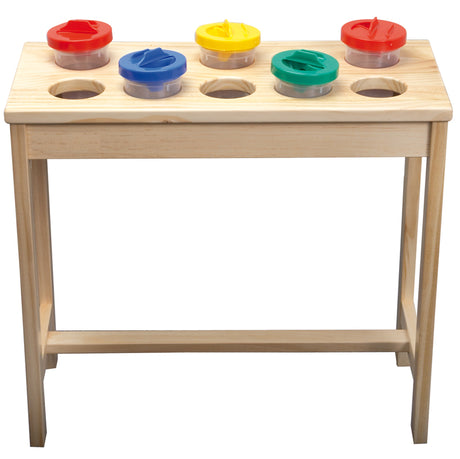
Deluxe Pine Paint Pot Stand – Holds 10 Pots
Regular price $18689Unit price /UnavailableBirch Laminate Rectangular Table – 120 x 60 x 50cm
Regular price $48389Unit price /Unavailable-
Birch Laminate Round Table – 105cm, 35.5cm High
Regular price $51689Unit price /Unavailable-
Birch Laminate Rectangular Table – 120 x 60 x 35.5cm
Regular price $38489Unit price /Unavailable-

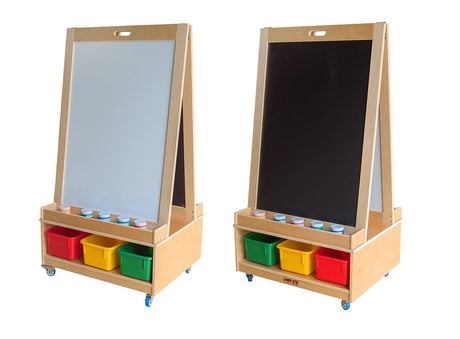
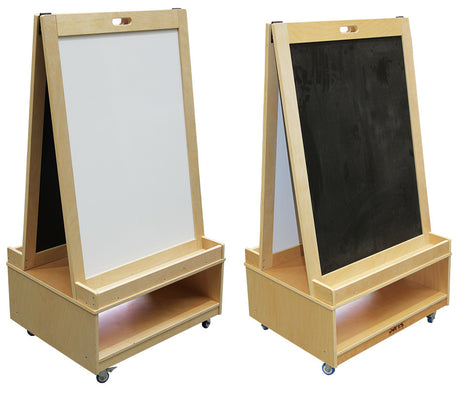
Freestanding Room Divider with Double-Sided Blackboard
Regular price $32989Unit price /Unavailable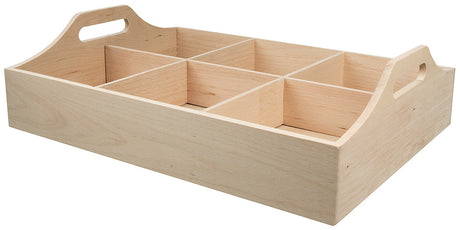
- Regular price $6589Unit price /Unavailable
-
- Sale
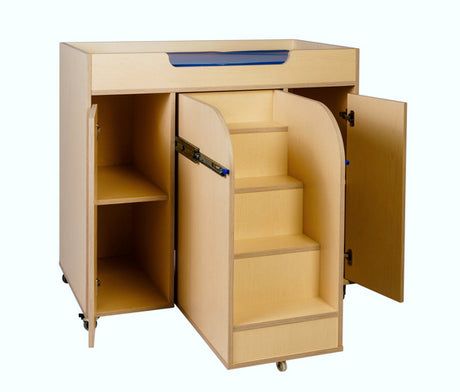
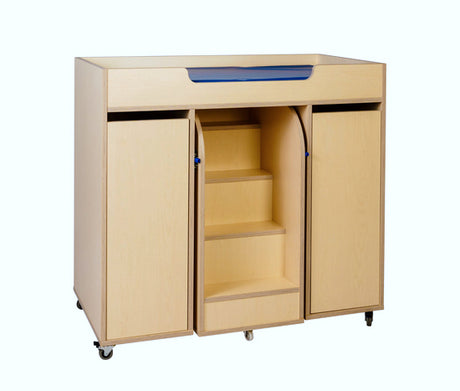
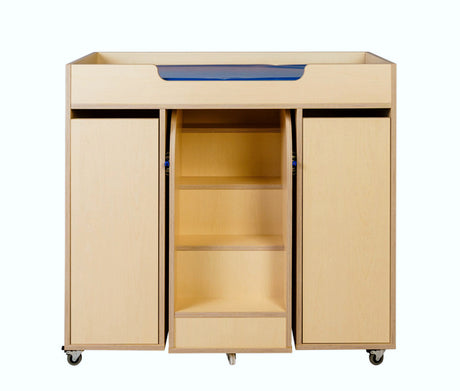
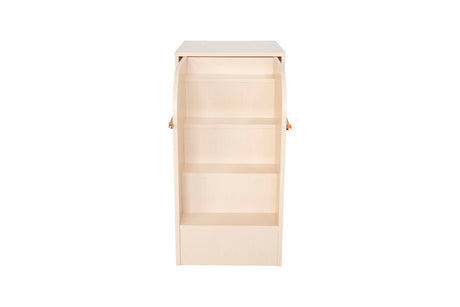
Baby Change Station with Sliding Stairs, Storage & Change Mat – Australian Made
Sale price $1,59489 Regular price $1,62789Unit price /Unavailable -
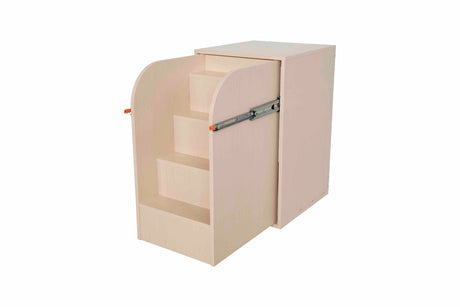
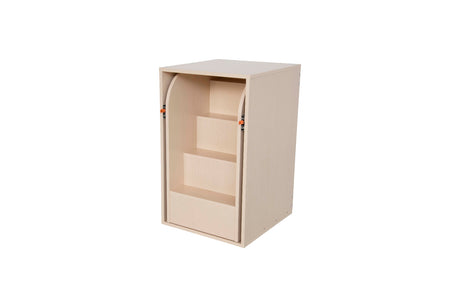
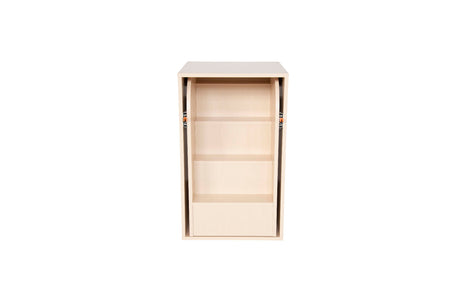
Baby Change Under Bench Sliding Stair Unit – Australian Made
Regular price $75889Unit price /Unavailable-
Maple Laminate Dress Up Trolley With Mirror and Storage
Regular price $82489Unit price /Unavailable-
- Sale
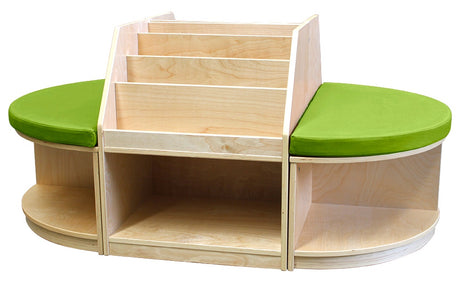
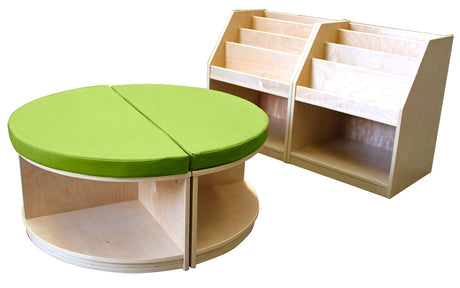
Birch Ply Reading Station 4pcs
Sale price $1,09989 Regular price $1,31989Unit price /Unavailable -
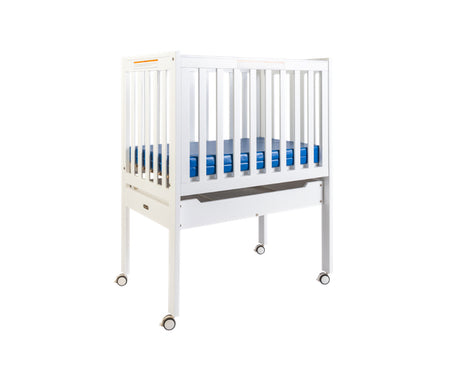
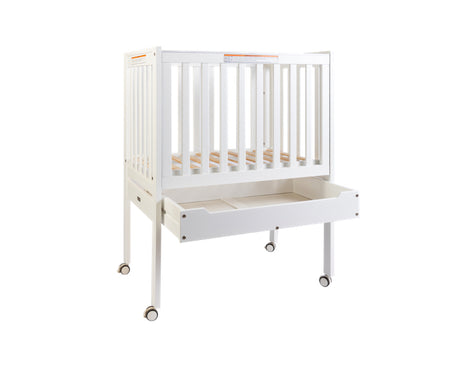
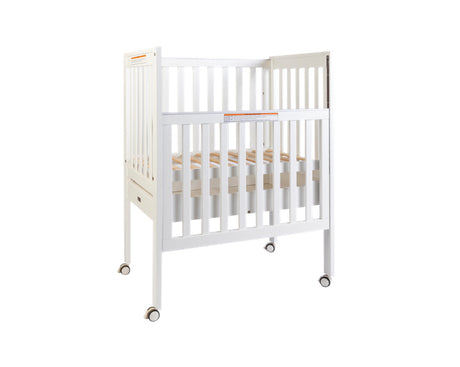
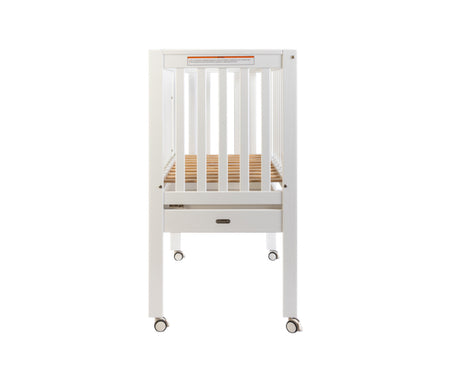
Backsaver Compact Cot with Mattress
Regular price $92389Unit price /Unavailable-
Birch Ply Round Table and 4 Storage Seats
Regular price $87989Unit price /Unavailable-
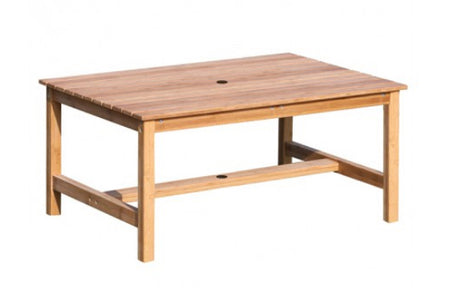
Bamboo Outdoor Learning Table – 106 × 70 cm
Regular price $49489Unit price /Unavailable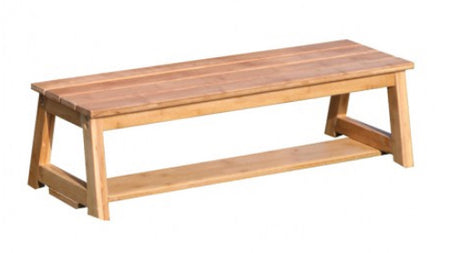
Bamboo Outdoor Bench – 94 cm Long
Regular price $24189Unit price /UnavailableMultipurpose Playtray With Adjustable Height Stand
Regular price $24189Unit price /Unavailable-

Square Birch Laminate Classroom Table – 90 × 90 cm
Regular price From $37389Unit price /Unavailable
Rectangular Birch Laminate Classroom Table – 120 × 60 cm
Regular price From $32989Unit price /Unavailable
Round Birch Laminate Classroom Table – 90 cm diameter
Regular price From $37389Unit price /Unavailable
Scalloped Birch Laminate Classroom Table – 90 cm diameter
Regular price From $46189Unit price /Unavailable
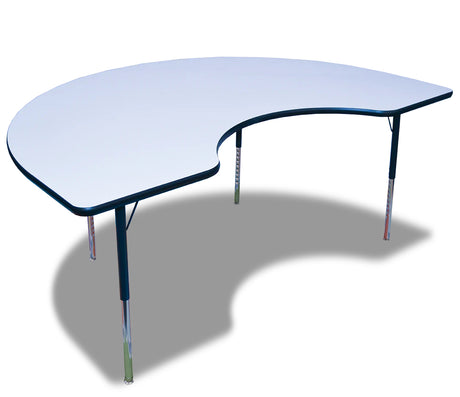
Large Kidney Birch Laminated Table 180cmL x 120cmD x 40cmH
Regular price $50589Unit price /Unavailable
Large Kidney Birch Laminated Table 180cmL x 120cmD x 47cmH
Regular price $50589Unit price /Unavailable
Large Kidney Birch Laminated Table 180cmL x 120cmD x 54cmH
Regular price $50589Unit price /Unavailable
Large Kidney Birch Laminated Table 180cmL x 120cmD x 61cmH
Regular price $50589Unit price /Unavailable





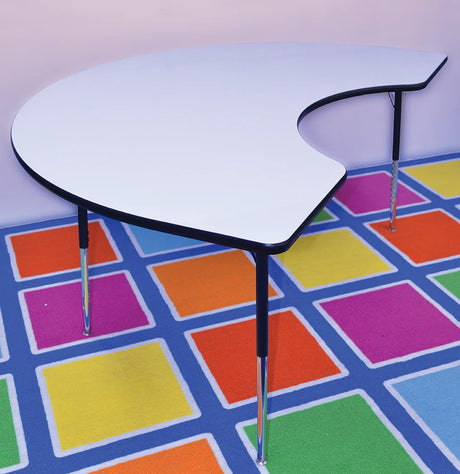


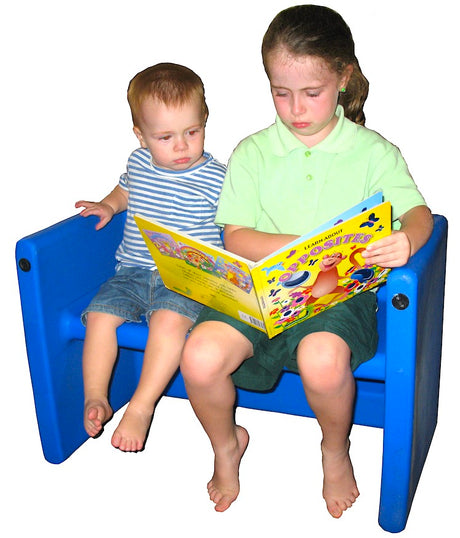
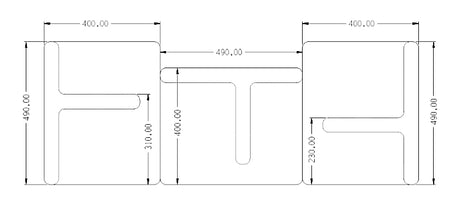
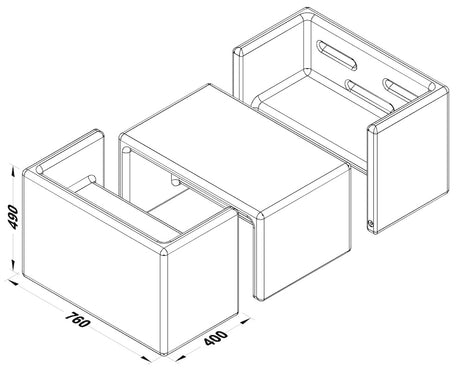
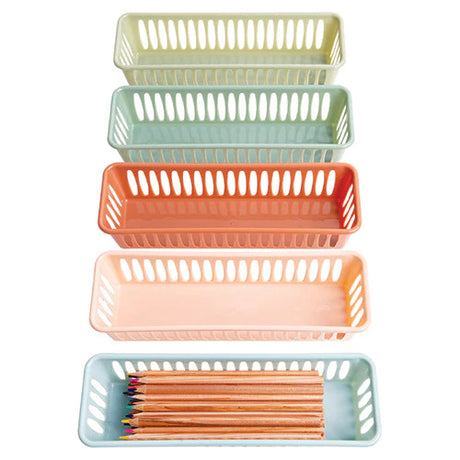

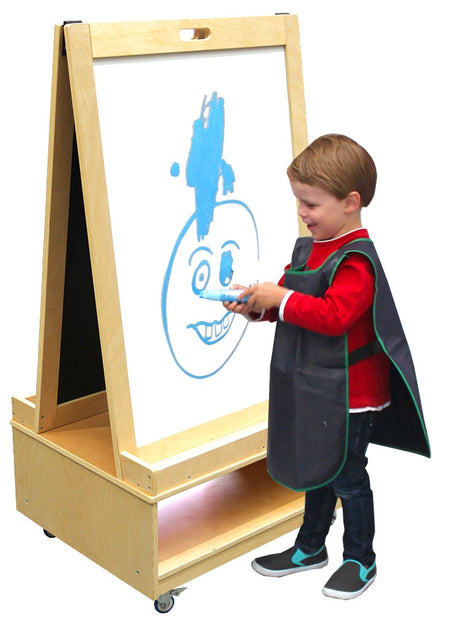
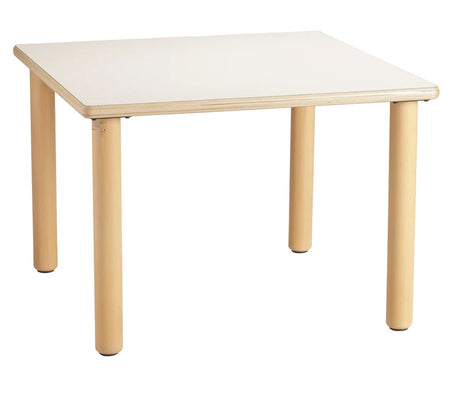








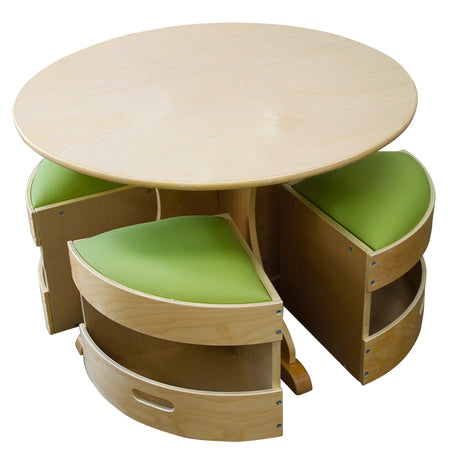
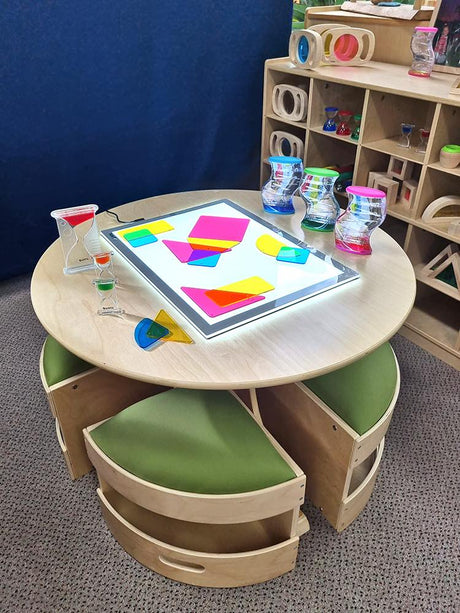
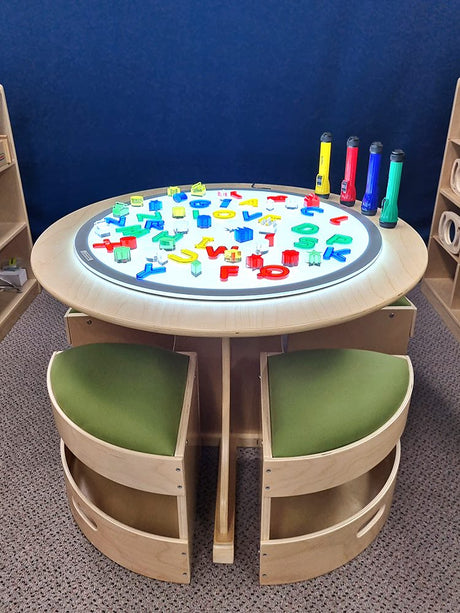


Plan classroom seating around the way children use the space. Compare adjustable and fixed tables, stackable chairs and modular lounge seating for group work, drawing and reading.
Match the chair and table heights
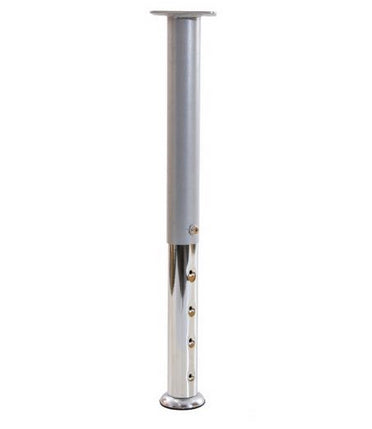
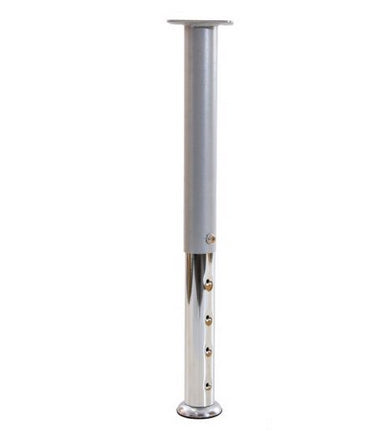
Start with a chair size suited to the children who will use it, then check the tabletop height and clearance underneath. When comparing adjustable models, look at the stated height range. Mark the table outline on the floor and allow space for children to pull out chairs and move past.
Choose a surface for the lesson
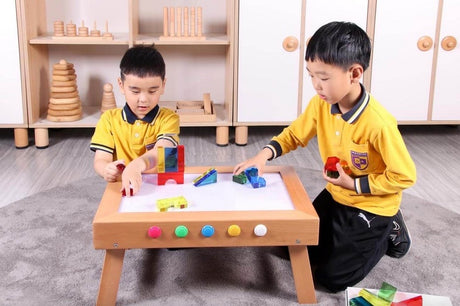
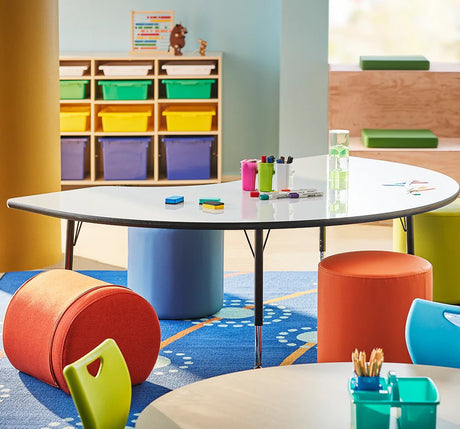
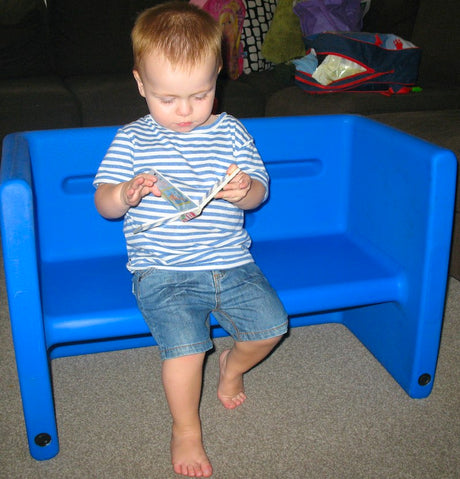
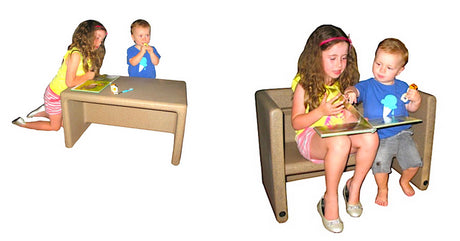
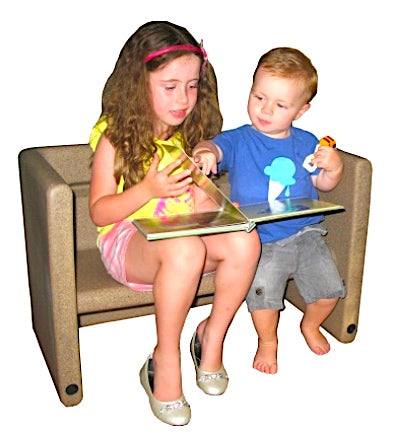
A round table lets a small group share materials in the middle. A whiteboard tabletop gives partners room to sketch a route, work through a calculation or revise an idea together. For a book corner, a sofa bench or modular lounge offers a different seating arrangement from a work table.
Ways to Use the Collection
- Group work and art activities
- Individual learning spaces
- Flexible arrangements for changing room needs

