- Sale
Jumbo Magnifying Glasses Set of 6
Sale price $5885 Regular price $6567Unit price /Unavailable -
-
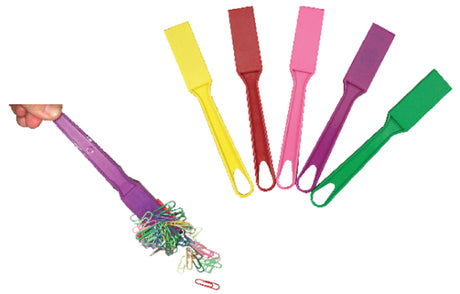
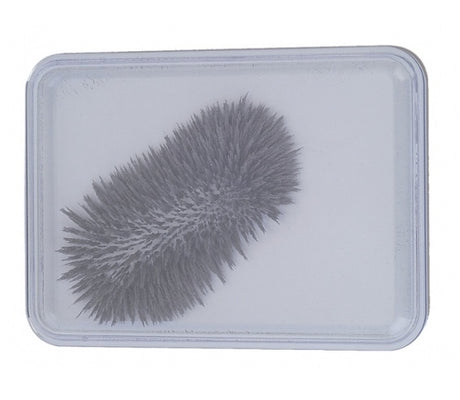
Iron Filings in Case – Magnetic Field Demonstrator
Regular price $545Unit price /UnavailableLow stock (8 units)-
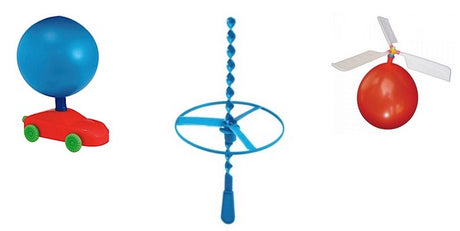
Skyrocopters, Balloon Cars and Helicopters 15pcs
Regular price $5489Unit price /Unavailable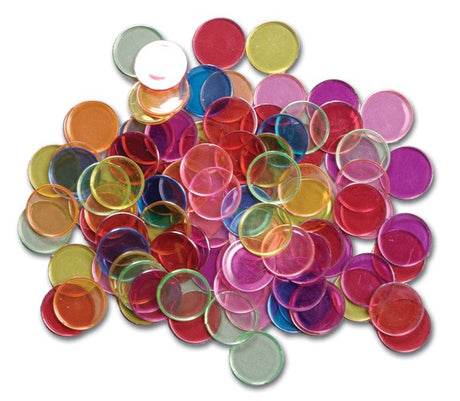
Metal-Rimmed Coloured Discs – 100 Pieces
Regular price $985Unit price /Unavailable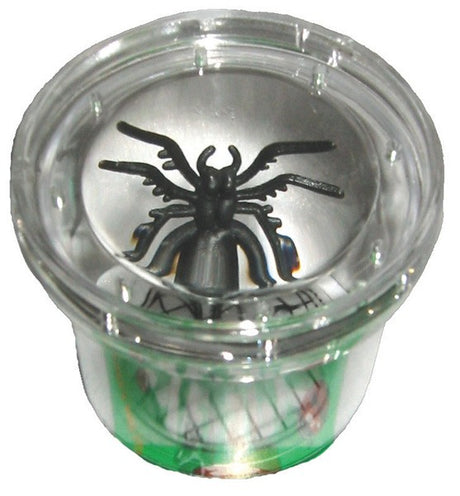 SaleSale price $655 Regular price $875Unit price /Unavailable
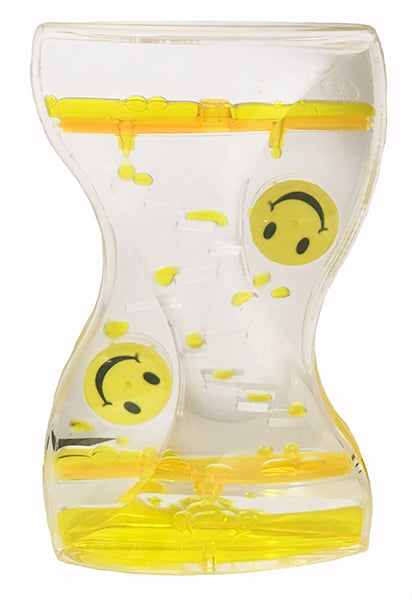
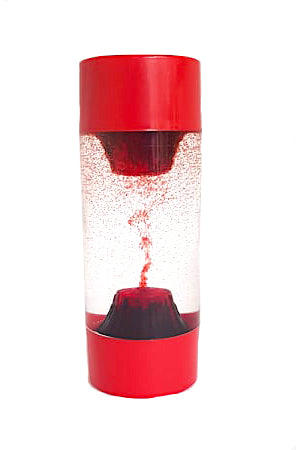
Sensory Twist Liquid Timer – 15 cm
Regular price $1639Unit price /UnavailableVery low stock (2 units)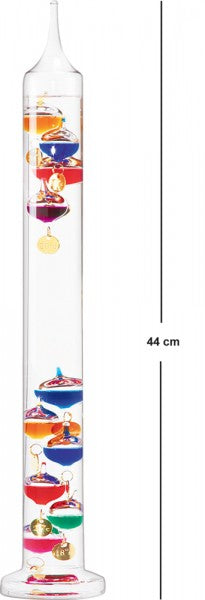 Sold out
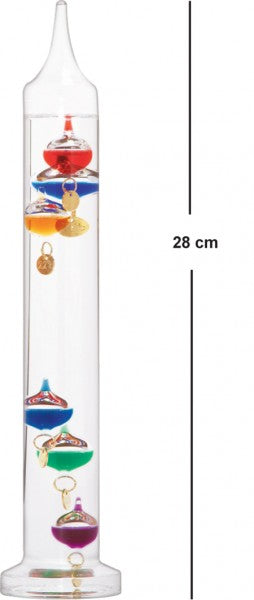
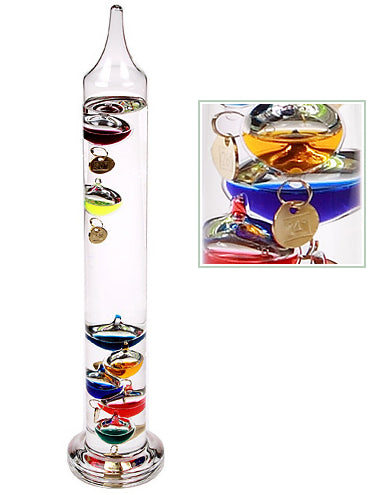
Galileo Thermometer Large 44cm
Regular price $7689Unit price /Unavailable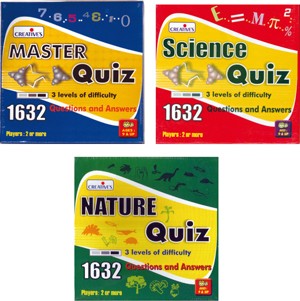 Sale
Quiz Game Pack Set of 3 Nature, Science, Master
Sale price $4725 Regular price $5907Unit price /Unavailable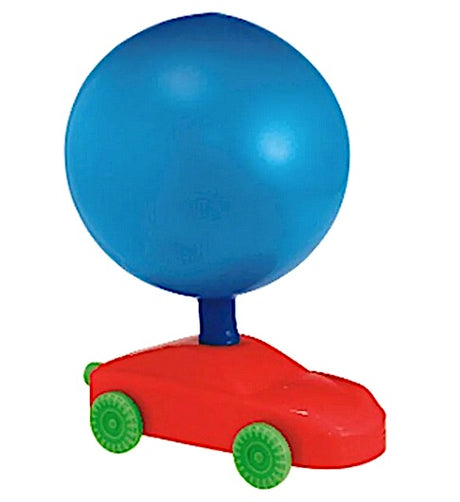 SaleSale price $4175 Regular price $4950Unit price /Unavailable
-
 Sale
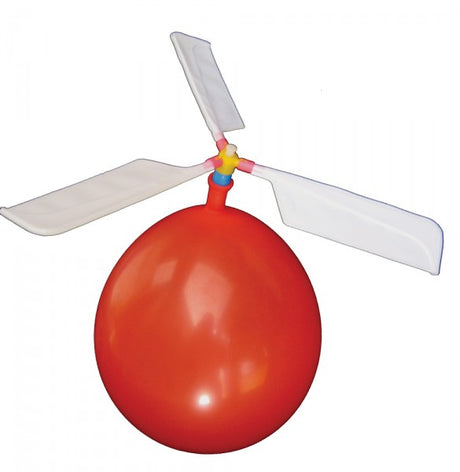
Balloon Helicopters Class Set of 10
Sale price $3273 Regular price $3850Unit price /Unavailable
 SaleSale price $2849 Regular price $3289Unit price /UnavailableVery low stock (2 units)
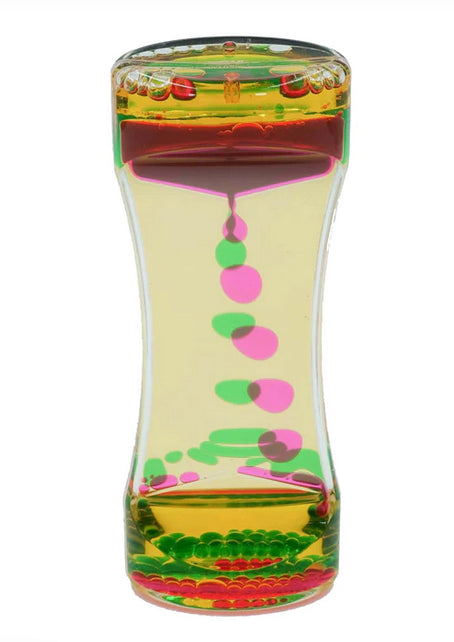
Sensory Single Drip Liquid Timer – 14.5 cm
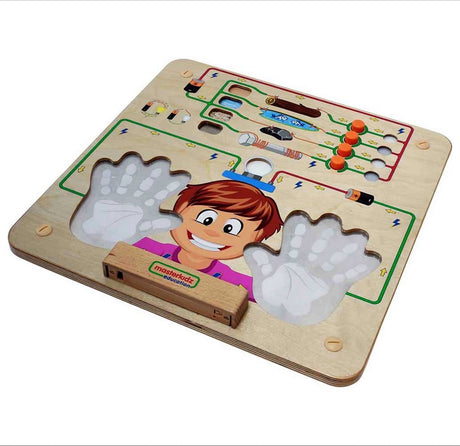
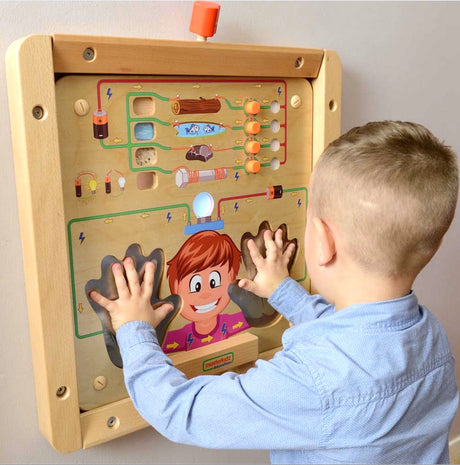
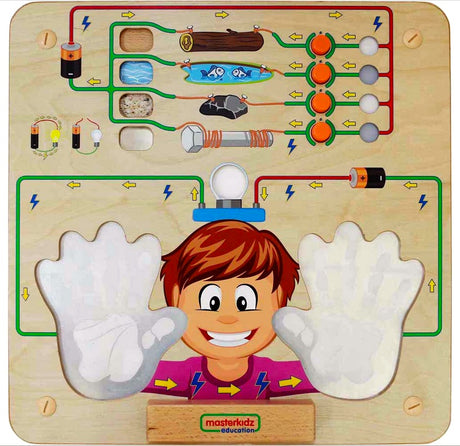
Regular price $1639Unit price /UnavailableLow stock (6 units)Activity Board - Conductivity Experiment
Regular price $29689Unit price /Unavailable-
True to Life Human X-Rays 18pcs
Regular price $9889Unit price /UnavailableVery low stock (1 unit)-
Squishy Uppercase Alphabet & Numbers – 36 Piece Sensory Learning Set
Regular price $16489Unit price /Unavailable-

Let's Learn About Bees – Big Book
Regular price $6589Unit price /UnavailableRecord & Talk Discovery Light-Up Blocks – 4pcs
Regular price $21989Unit price /Unavailable-
-

This Is My Healthy Body – Big Book with Poster
Regular price $6589Unit price /UnavailableSirius Glider – Adjustable Flight Toy
Regular price $1969Unit price /UnavailableVery low stock (1 unit)-
-
 Regular price $495Unit price /Unavailable
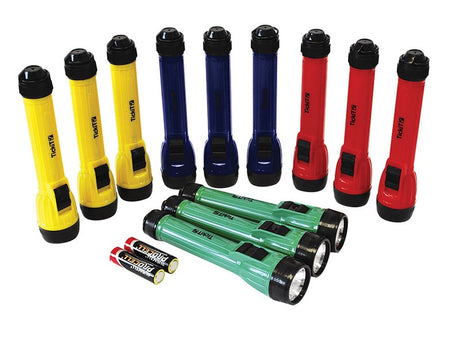
LED Torches - Set of 12 (Assorted Colours)
Regular price $9889Unit price /Unavailable-
- Regular price $26389Unit price /Unavailable
-
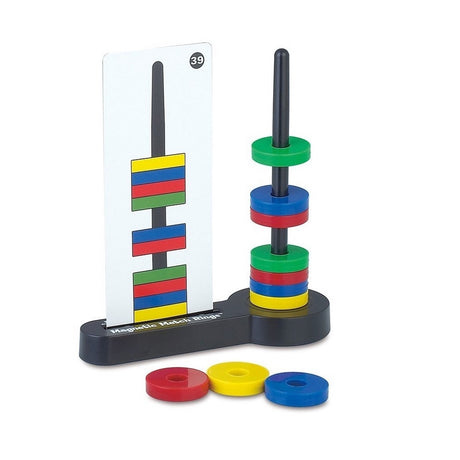
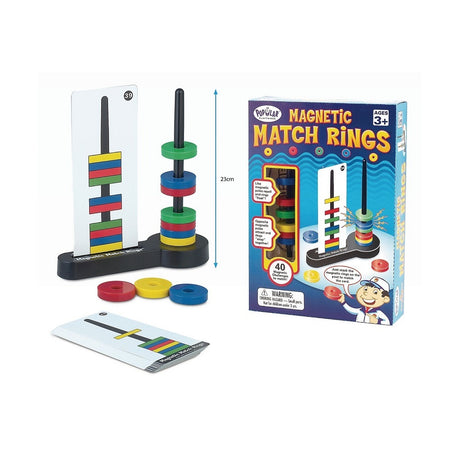
Floating Ring Magnets – 10 Magnets and 40 Challenge Cards
Regular price $2739Unit price /UnavailableLow stock (3 units)-

Birds Around the Billabong – Big Book
Regular price $6589Unit price /Unavailable
Let's Learn About Insects – Big Book
Regular price $6589Unit price /Unavailable- Regular price $1,19889Unit price /Unavailable
-
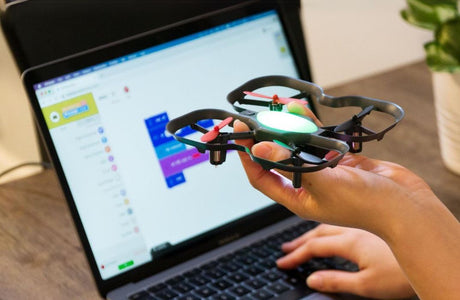
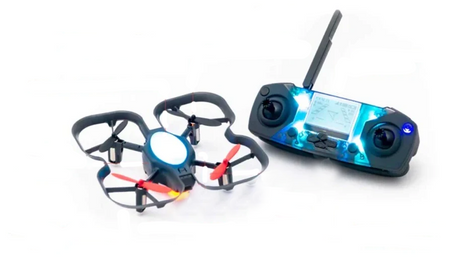
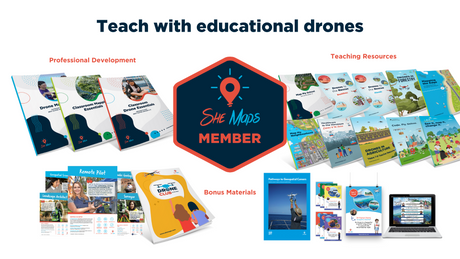
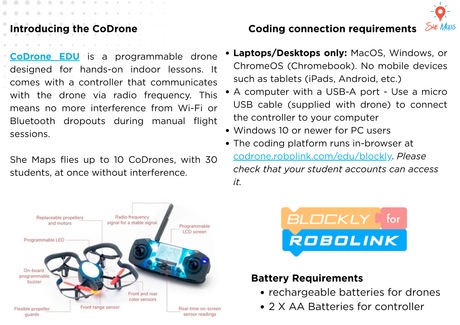
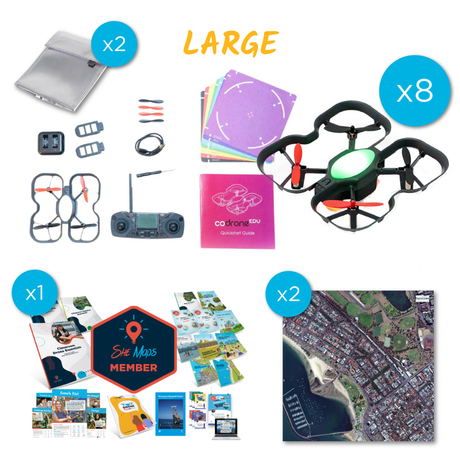
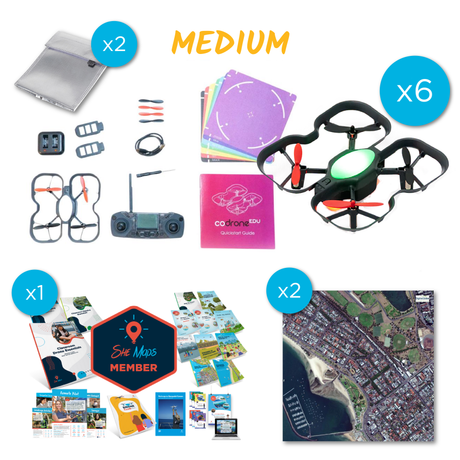
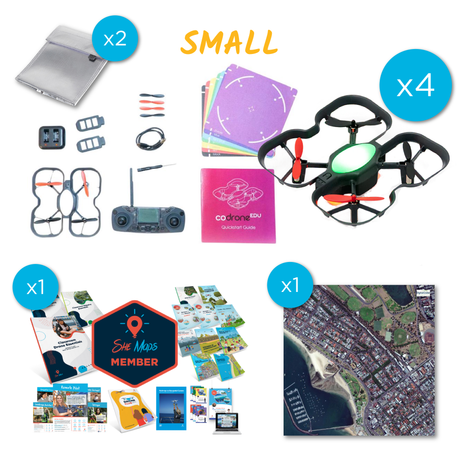
Classroom Drone Kits + Drone Education Membership
Regular price From $32500Unit price /Unavailable-
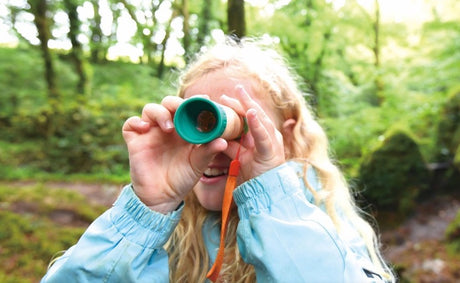
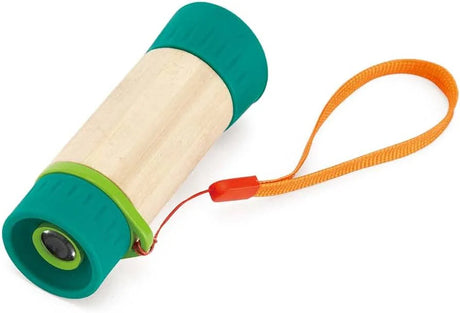
Adjustable Bamboo Telescope – 8× Magnification
Regular price $3289Unit price /Unavailable-
Easy Hold Discovery Boards – 6 Piece Sensory & Science Set
Regular price $17589Unit price /UnavailableVery low stock (1 unit)-
- Regular price $31889Unit price /Unavailable
-
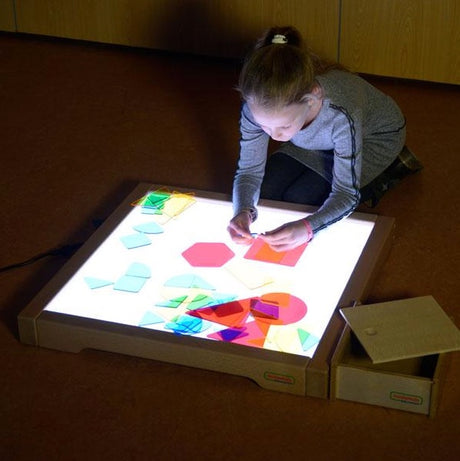
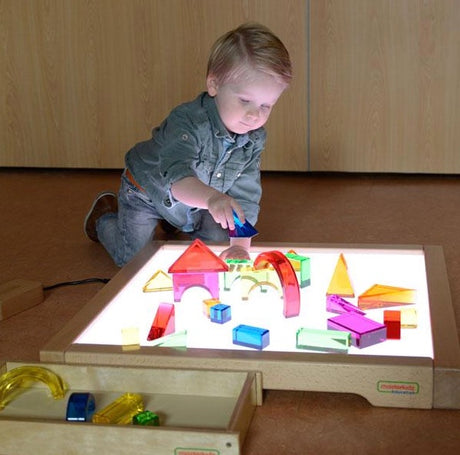
Large Colour Changing LED Square Light Panel
Regular price $76989Unit price /Unavailable-
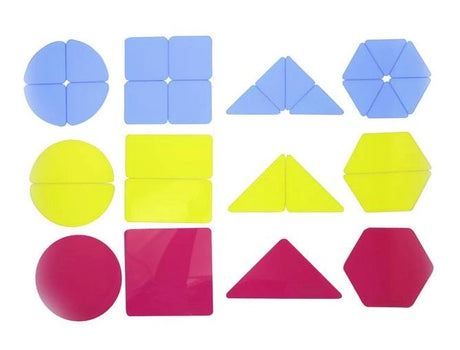
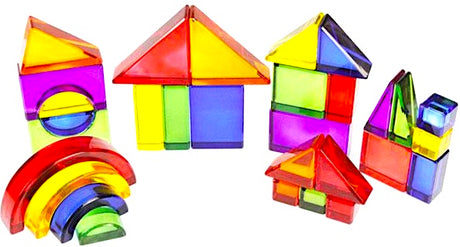
Translucent Geo Shapes in Wooden Box 51pcs
Regular price $15389Unit price /Unavailable-
 Regular price $16489Unit price /Unavailable
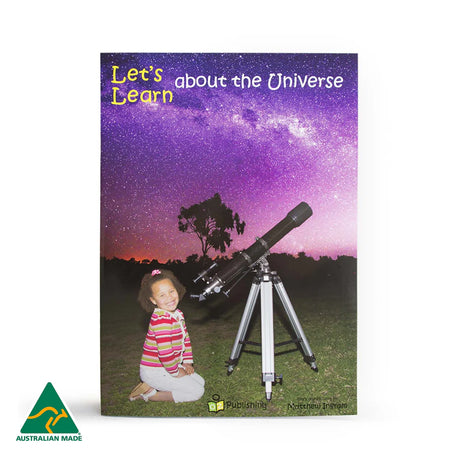
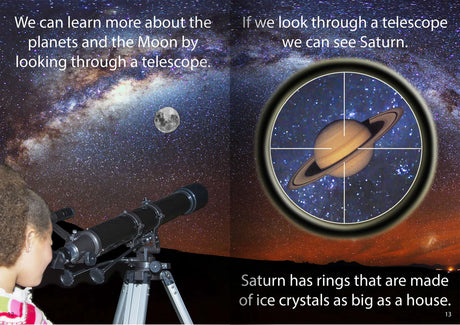
Big Book – Let’s Learn About the Universe
Regular price $6589Unit price /Unavailable-
- Sale
Acrylic Building Blocks in Wooden Storage Box 30pcs
Sale price $43989 Regular price $54989Unit price /Unavailable -
Sensory Ooze Tube – Large 20 cm
Regular price $3289Unit price /UnavailableVery low stock (2 units)-
Acrylic Building Blocks With Mirror and Work Cards 41pcs
Regular price $24189Unit price /UnavailableVery low stock (1 unit)-
-
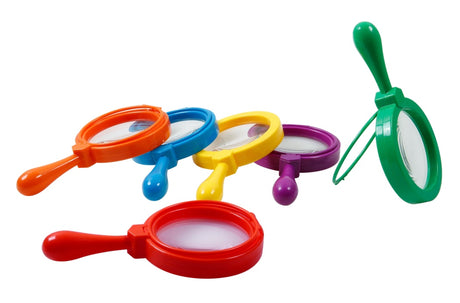
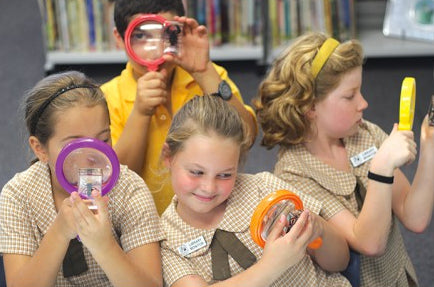




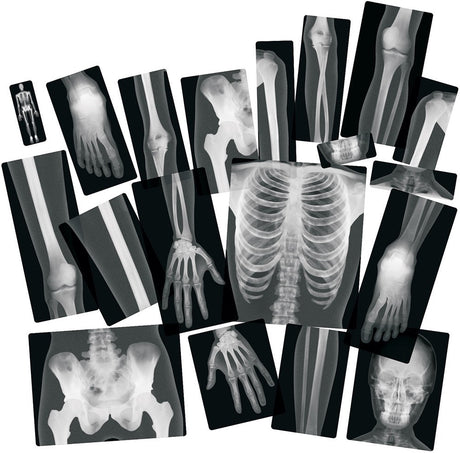
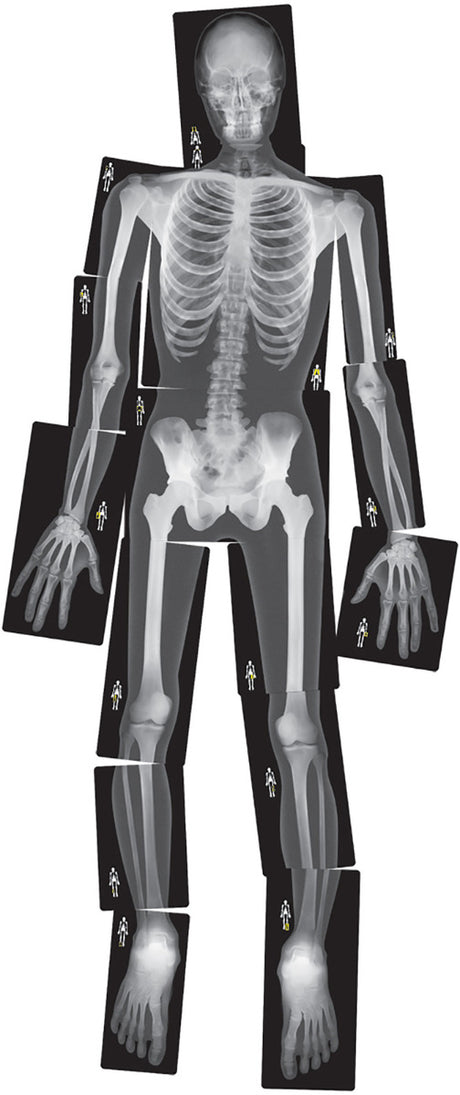

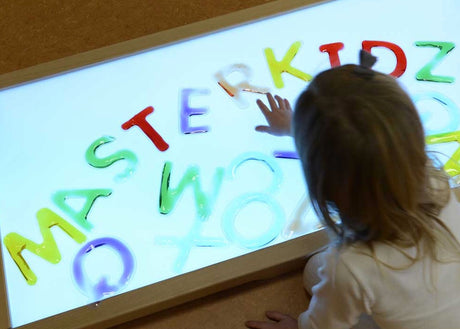
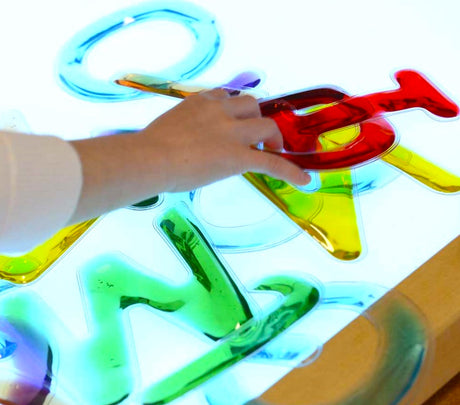
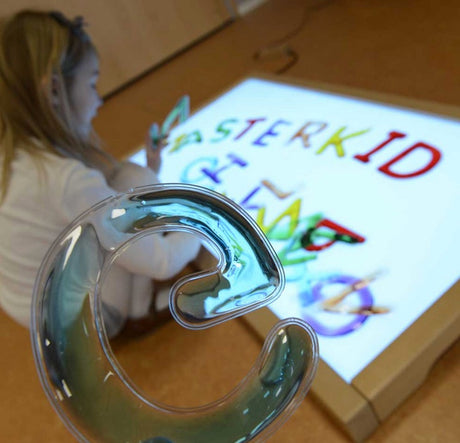
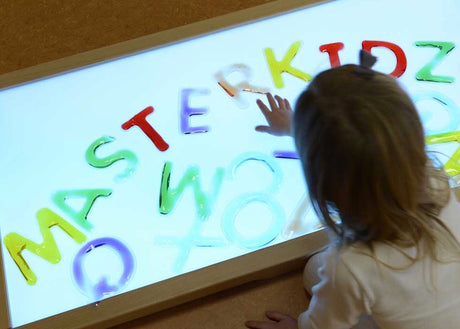


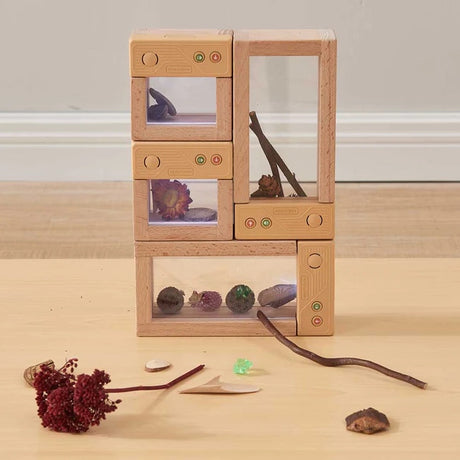

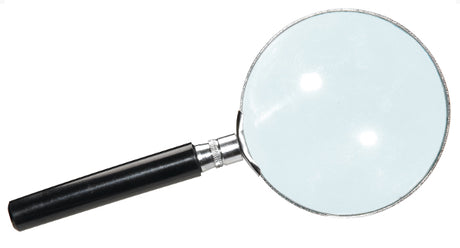
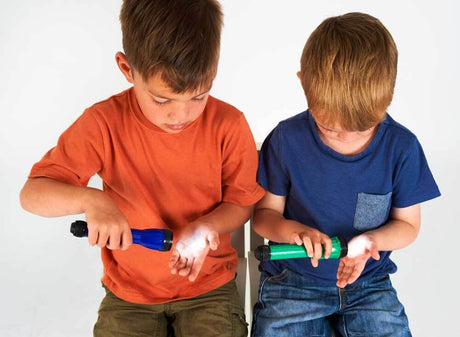
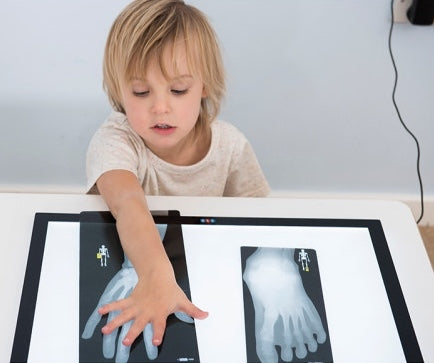
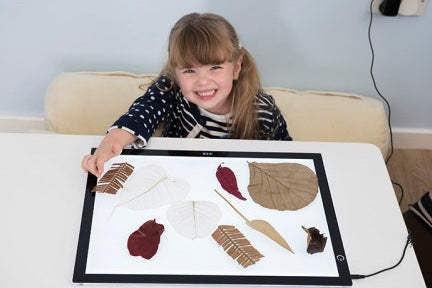






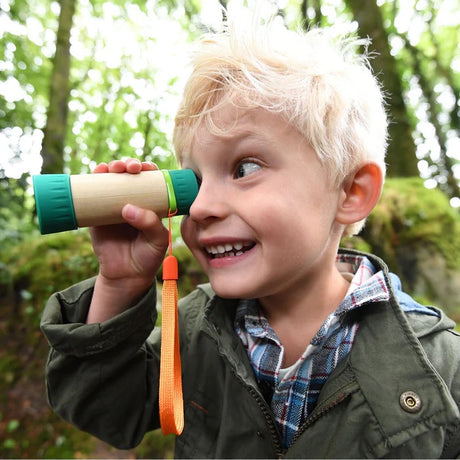
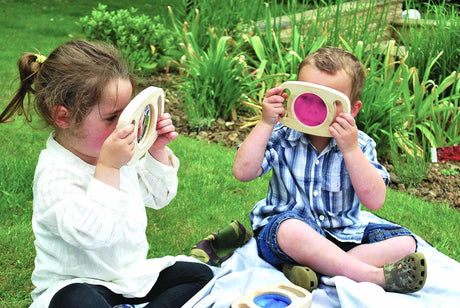
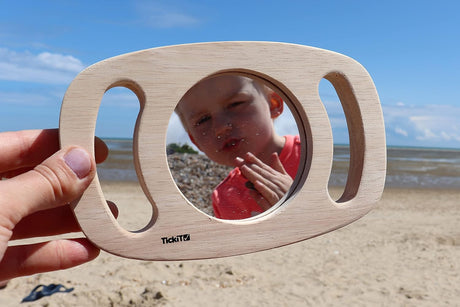
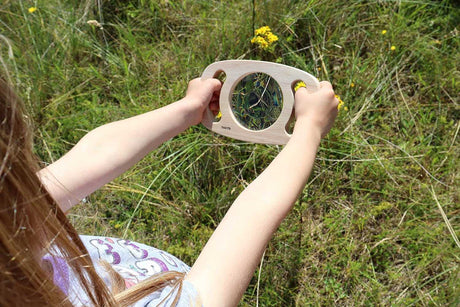
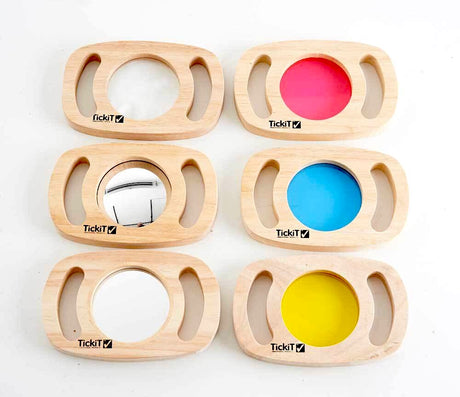
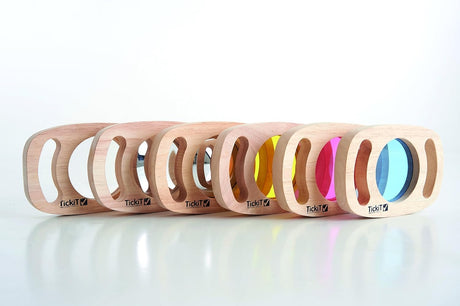
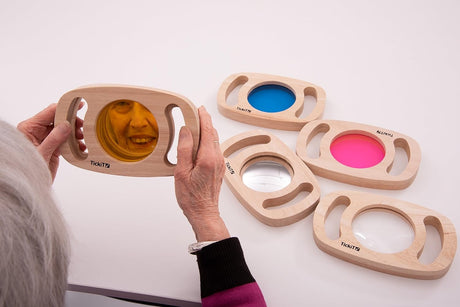



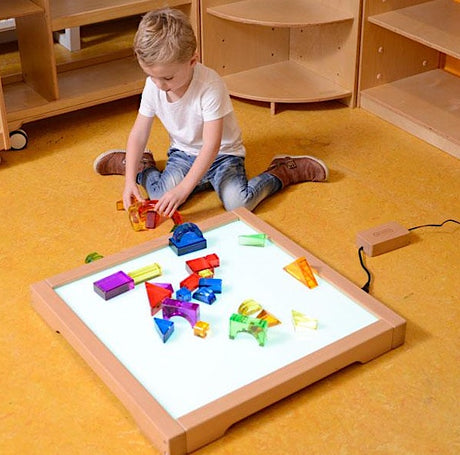
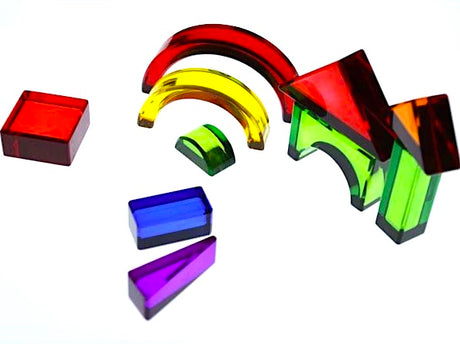
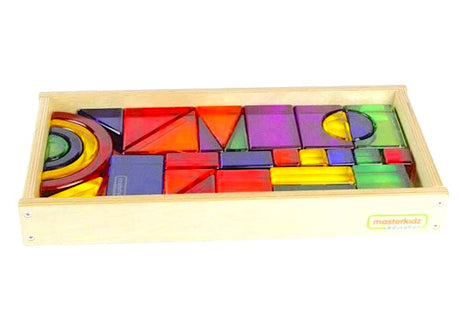


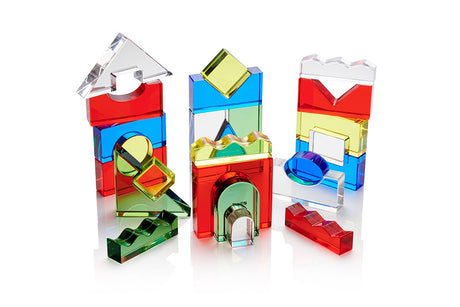
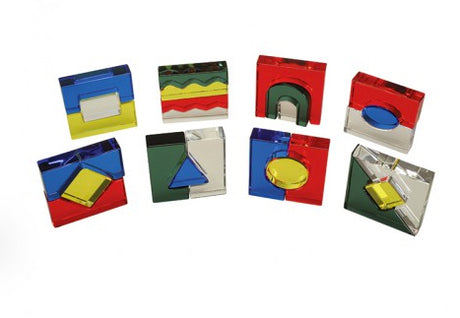
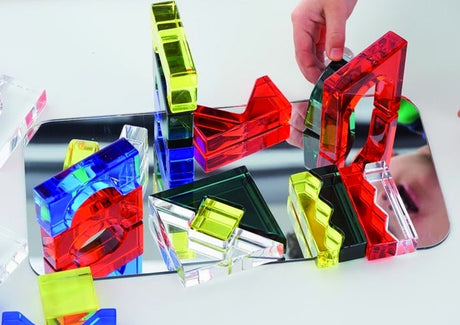
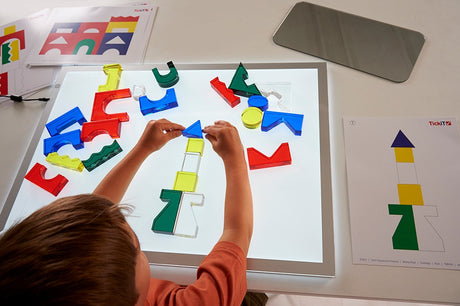
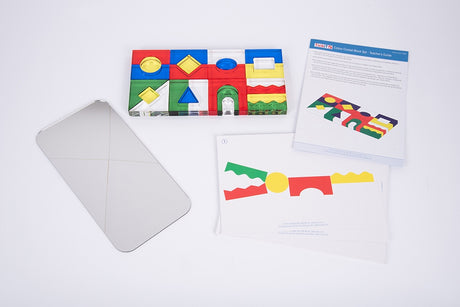
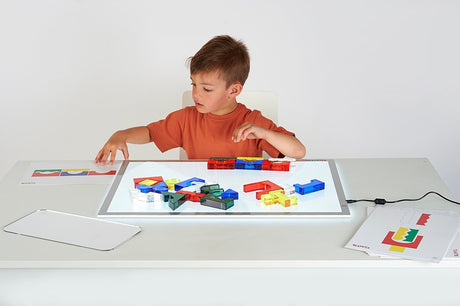
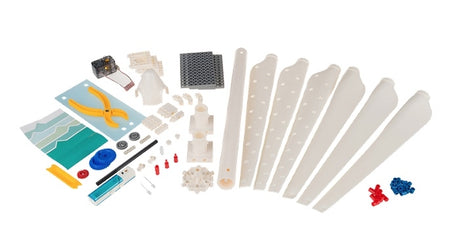
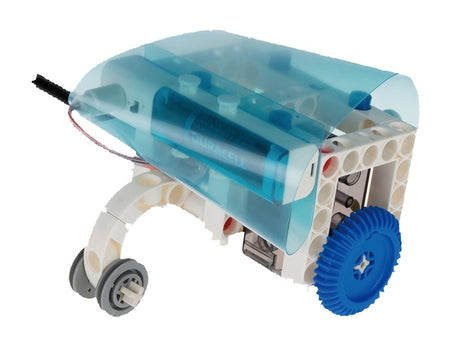
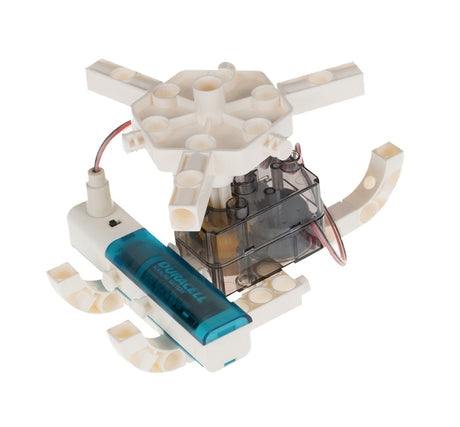
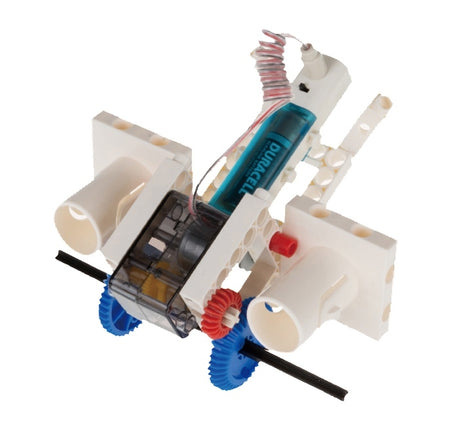
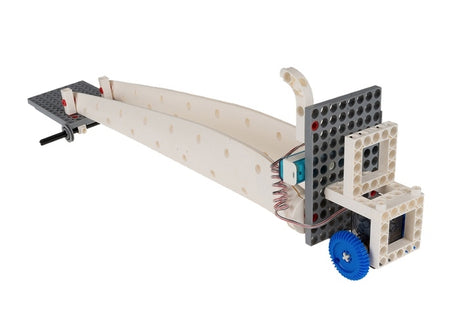
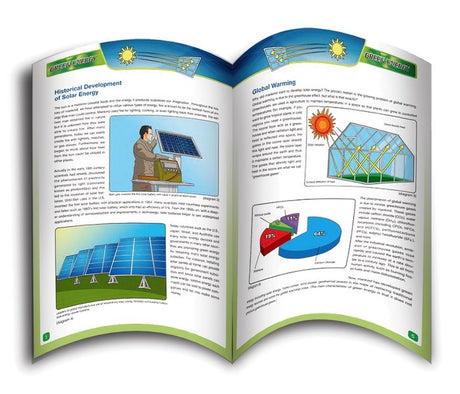
Invite children to observe closely, ask questions and test predictions with classroom science resources, from jumbo magnifiers and planting kits to balloon cars and anatomy models.
Start with a question children can investigate
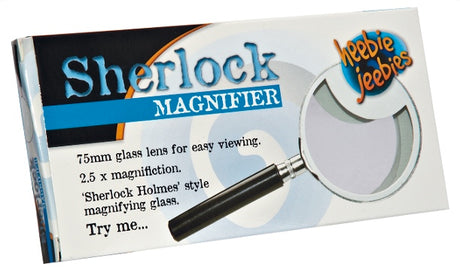
What changes first when a seed starts to grow? Use a planting kit to set up a daily observation, then invite children to draw what they see. With a magnifier, compare the edges and veins of two fallen leaves and collect the words children use to describe them.
Make a fair comparison
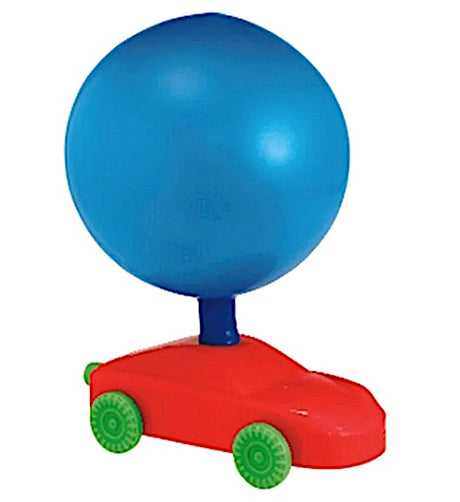
A balloon car turns a question about movement into something a class can measure. Mark a starting line, use the same surface and change one feature at a time. Repeat each trial and compare the distances, including any result the group did not expect.
Ways to Use the Collection
- Observing and recording changes
- Making and testing predictions
- Comparing results and explaining findings

