
 Regular price $13134Unit price /Unavailable
 SaleSale price $4389 Regular price $5258Unit price /UnavailableVery low stock (2 units)
- Sale
Bendy Families – Diverse Play Figures Set
Sale price $3729 Regular price $4389Unit price /Unavailable -
- Regular price $6006Unit price /Unavailable
-

- SaleSale price $14795 Regular price $16445Unit price /Unavailable
-
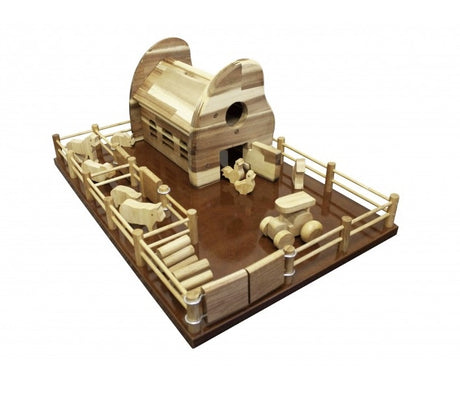
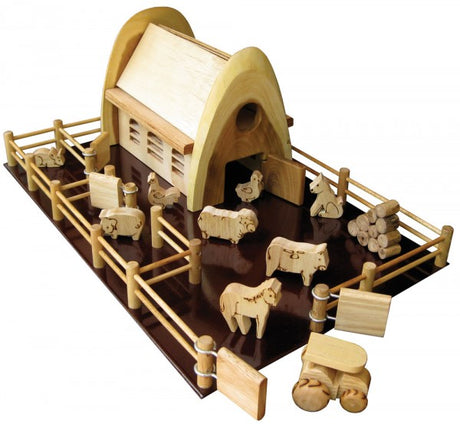
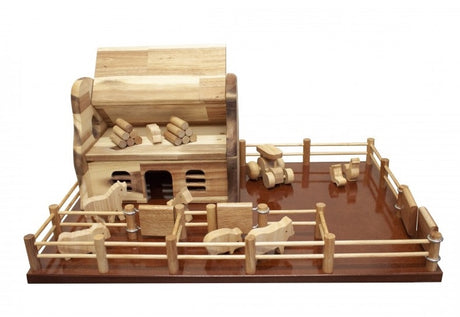
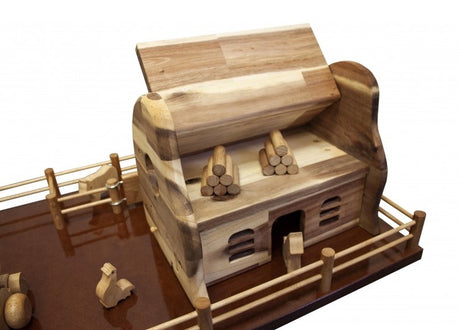
Farm Barn Set – Wooden Montessori Farm Playset for Early Learning
Regular price $16489Unit price /UnavailableVery low stock (2 units)-
 Sale
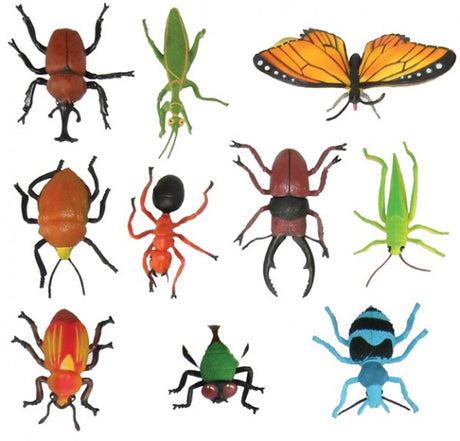
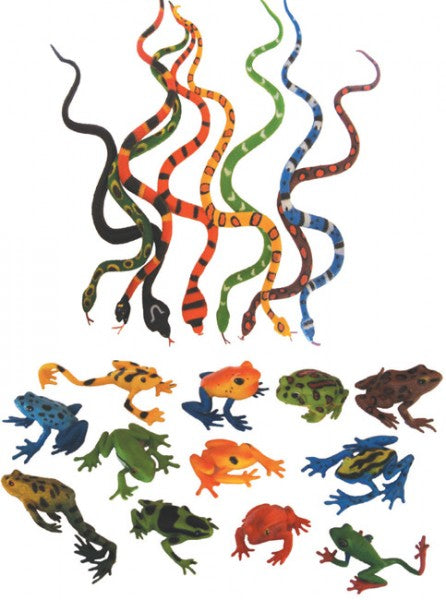
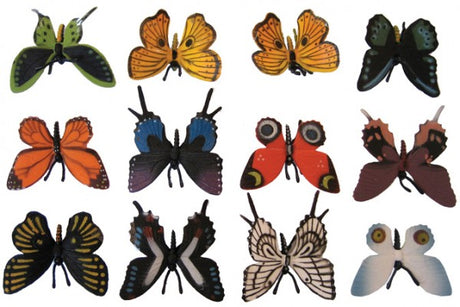
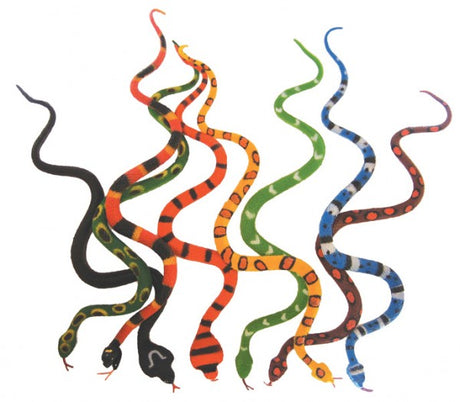
SaleCollection of Frogs, Snakes, Insects and Butterflies 56pcs
Sale price $8789 Regular price $10516Unit price /UnavailableLow stock (4 units) Sale
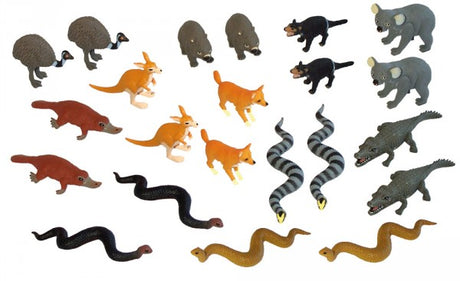
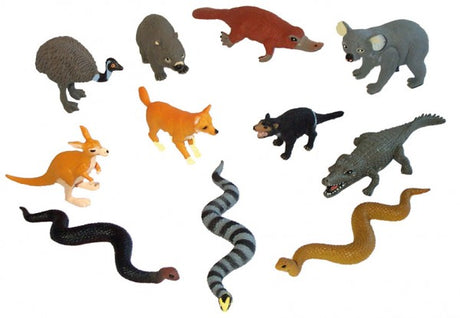
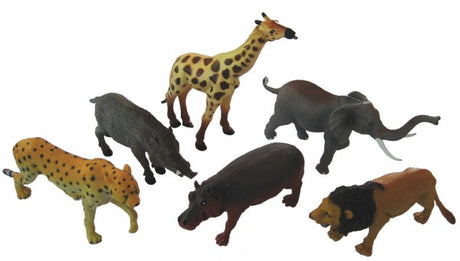
SaleCollection of Aussie, Rainforest, African and Baby Animals 28pcs
Sale price $9449 Regular price $10516Unit price /UnavailableVery low stock (2 units)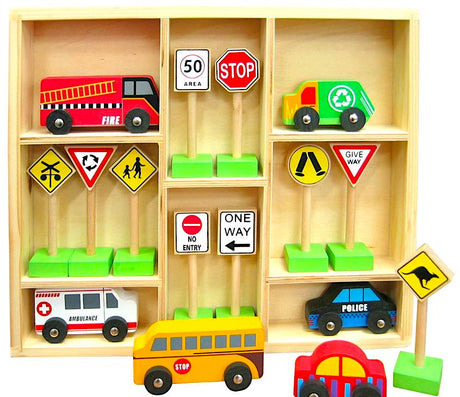
Emergency Vehicles & Wooden Traffic Signs – Road Safety Learning Set
Regular price $3289Unit price /Unavailable
The House I Live In Wooden Playset – 17 Piece Set
Regular price $9889Unit price /Unavailable-
 Sold outRegular price $2629Unit price /Unavailable
- Sale
Australian Bush Tucker Wooden Playset – 10 Piece Set
Sale price $3949 Regular price $4235Unit price /Unavailable -
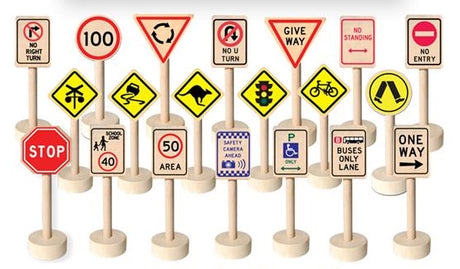
Road Safety Traffic Signs – 20pc Educational Set
Regular price $2629Unit price /UnavailableVery low stock (2 units)- SaleSale price $18689 Regular price $23694Unit price /Unavailable
-
 SaleSale price $4389 Regular price $5269Unit price /UnavailableVery low stock (1 unit)

 SaleSale price $4719 Regular price $5258Unit price /UnavailableVery low stock (2 units)
-
How Are You Feeling Wooden Playset 15pcs
Regular price $4389Unit price /Unavailable-
 Regular price $13189Unit price /Unavailable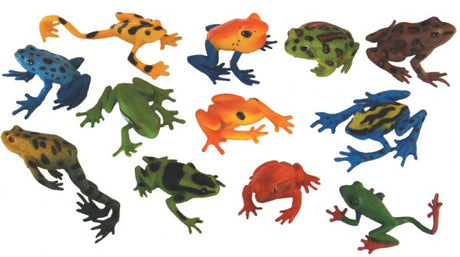
Indigenous Family Playset 6pcs
Regular price $2629Unit price /Unavailable-
People of the World Wooden Playset – 18 Piece Multicultural Figures
Regular price $4389Unit price /Unavailable-
 Sale
SaleAfrican and Rainforest Animals Set 11pcs
Sale price $4389 Regular price $5258Unit price /UnavailableLow stock (5 units) Sale
SaleAfrican and Endangered Animals 33pcs
Sale price $4719 Regular price $5258Unit price /UnavailableLow stock (4 units)Wooden Village People – 38 Pieces by The Freckled Frog
Regular price $10989Unit price /Unavailable-


Wooden Honeycombe, Hives and Bees Set 16pcs
Regular price $8459Unit price /Unavailable-
- Sold out
Witchetty Grubs with Coolamon Set
Regular price $3839Unit price /Unavailable -
 SaleSale price $6479 Regular price $7689Unit price /Unavailable
Dolls House with Furniture and Two Figures
Regular price $15389Unit price /UnavailableLarge Train Set with Accessories 90pcs
Regular price $17589Unit price /Unavailable-





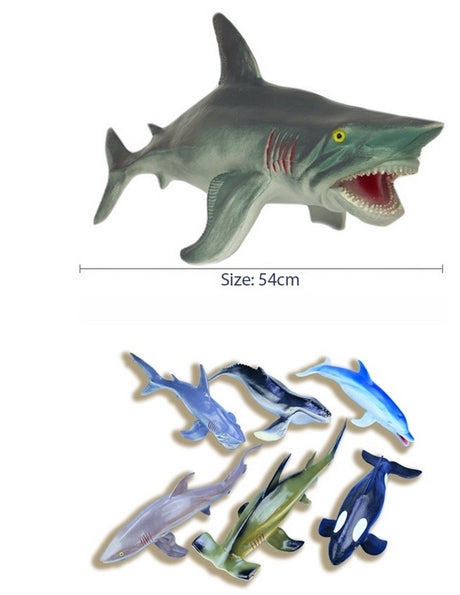

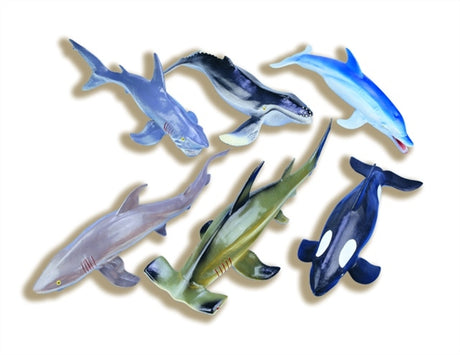





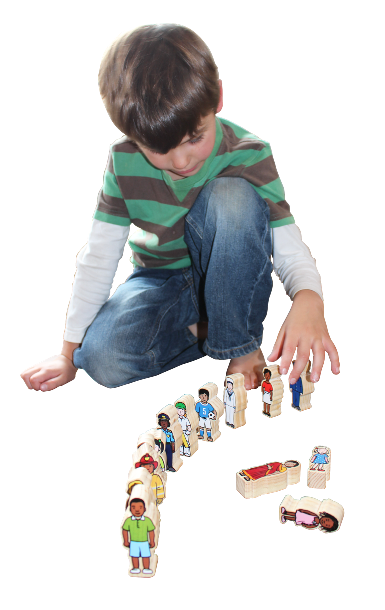


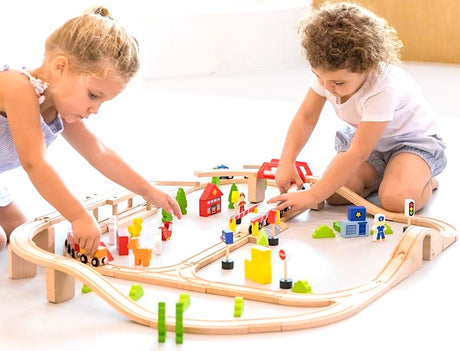
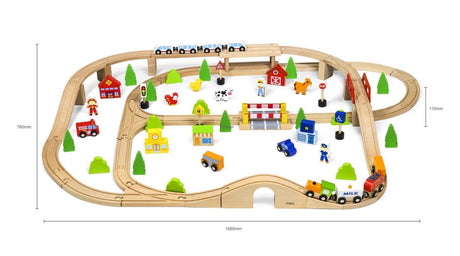
Small world play gives children the freedom to create, imagine, explore and tell their own stories using miniature figures, animals, buildings, vehicles, landscapes and everyday objects. These open-ended resources encourage children to recreate familiar experiences, investigate new environments and develop their own imaginative worlds through hands-on play.
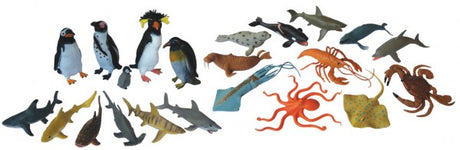
At Edu-21, our Small World Play collection includes a wide range of resources designed for early learning centres, childcare environments, kindergartens, primary classrooms and home learning spaces. From realistic animal replicas and Australian wildlife to community figures, sea life, minibeasts, villages, vehicles, habitats and scenery, small world resources provide endless opportunities for storytelling and discovery.
Learning Through Imaginative Play
Small world play supports many areas of early childhood development. As children arrange figures, build scenes and create stories, they are naturally developing language, communication and social skills. They may negotiate roles, describe what is happening, solve problems and work cooperatively with others.
Small world experiences can also support:
- Imagination and creative thinking
- Vocabulary and storytelling
- Social interaction and cooperative play
- Fine motor development
- Problem-solving and sequencing
- Understanding of animals, communities and environments
- Early literacy and oral language development
- Emotional expression through play
Because there is no single correct way to use these resources, small world play is particularly valuable for open-ended learning. The same collection of animals or figures can become part of a different story every day.
Realistic Replicas for Meaningful Learning
Realistic replicas can help children make connections between their play and the real world. Animal figures can support discussions about habitats, lifecycles and environments, while people, buildings and vehicles can encourage conversations about communities, occupations and everyday experiences.
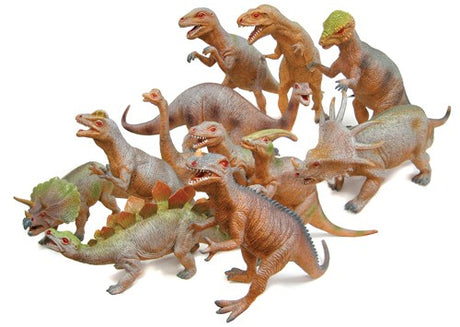
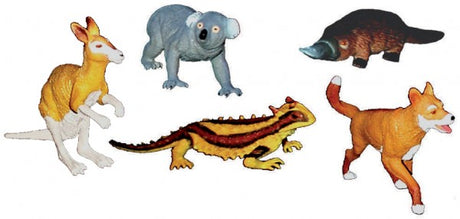
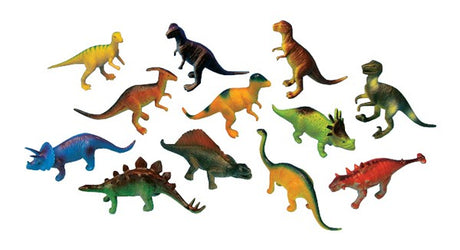
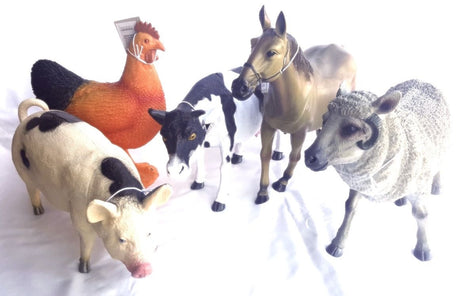
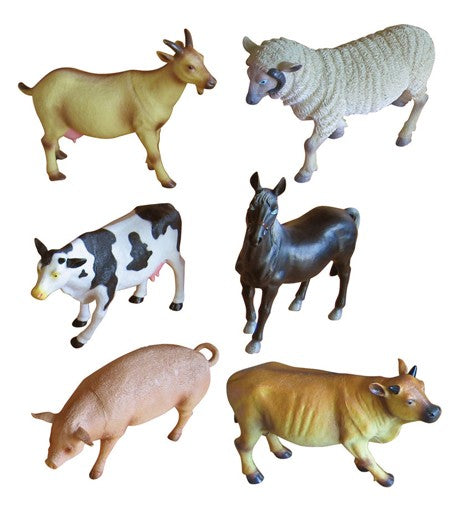
Australian animals and natural environments can be incorporated into learning about local wildlife and ecosystems, while sea creatures, dinosaurs, farm animals and minibeasts provide engaging starting points for science, storytelling and inquiry-based learning.
Create Engaging Small World Invitations
Small world resources can be used on their own or combined with other materials to create rich, immersive play experiences.
Try adding:
- Sand, stones, bark, leaves and natural loose parts
- Play mats and landscape mats
- Wooden blocks and construction pieces
- Blue fabric or sensory materials for water
- Small trays or sensory tubs
- Books related to the animals, people or environments being explored
Educators can create themed small world invitations around topics such as Australian wildlife, farms, oceans, communities, transport, dinosaurs, insects and the natural environment.
Designed for Early Learning Environments
Small world resources are ideal for childcare centres, kindergartens, preschools, schools, OSHC programs and home learning environments. They can be used in dedicated imaginative play spaces, sensory areas, literacy activities, group learning experiences or as part of broader classroom themes.
Explore Edu-21’s range of Small World Play resources and give children the tools to build miniature worlds filled with stories, discovery and imagination.

