
Tap Tap Set – Complete Fine Motor Activity Kit for 8 Children
Regular price $21170Unit price /UnavailableLow stock (7 units)-
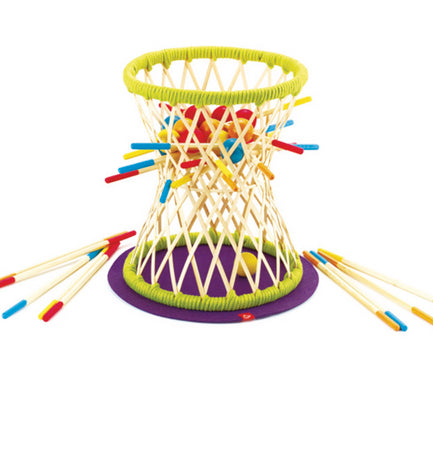
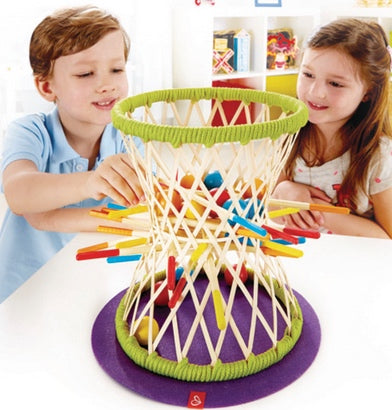
Jumbo Torreta Tower Builder Game
Regular price $17589Unit price /Unavailable-
- Regular price $4059Unit price /Unavailable
-
Small Pegs Activity Set – 619 Pieces
Regular price $7689Unit price /UnavailableVery low stock (1 unit)-
-
-
- Regular price $15389Unit price /Unavailable
-
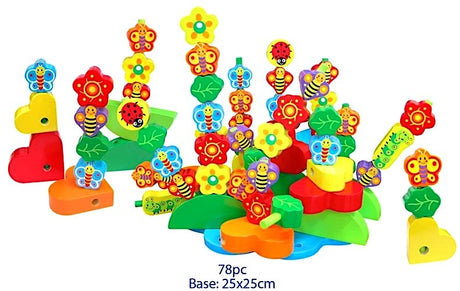
Butterfly and Bee Garden 78pcs
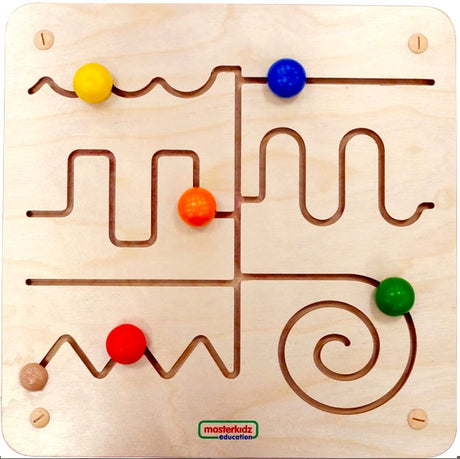
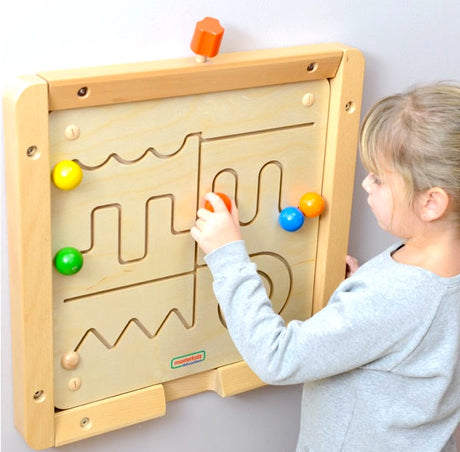
Regular price $7095Unit price /UnavailableActivity Board – Pre-Writing Maze | Fine Motor & Early Literacy Development
Regular price $18689Unit price /UnavailableVery low stock (1 unit)-
 Regular price $1859Unit price /Unavailable
 Regular price $3795Unit price /Unavailable
 Regular price $8789Unit price /Unavailable
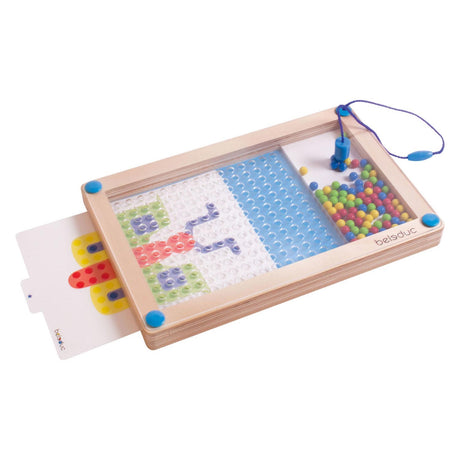
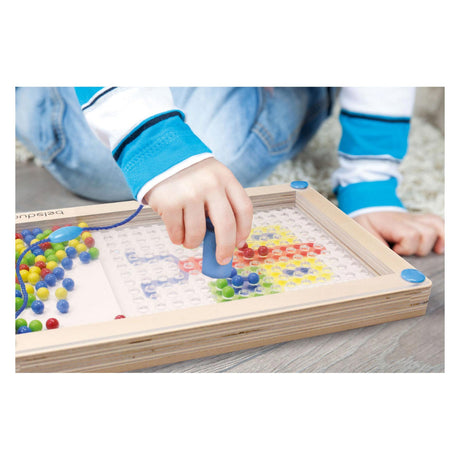
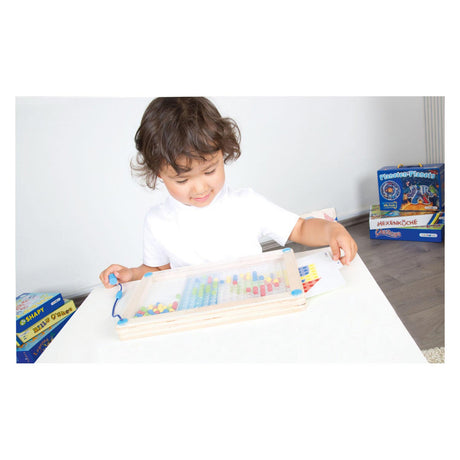
Magnetic Logipic | Fine Motor & Pre-Writing Magnetic Game
Regular price $10989Unit price /Unavailable-
Cascading Dominoes and Marble Run – 50 Piece STEM Set (Ages 4+)
Regular price $4389Unit price /Unavailable-
 Regular price $765Unit price /Unavailable
 Regular price $2739Unit price /Unavailable
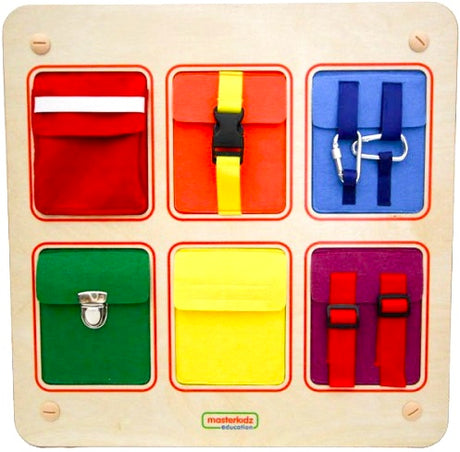
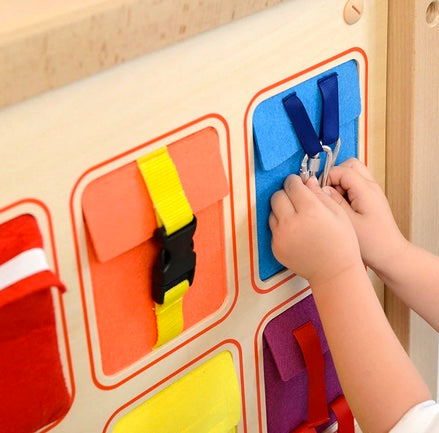
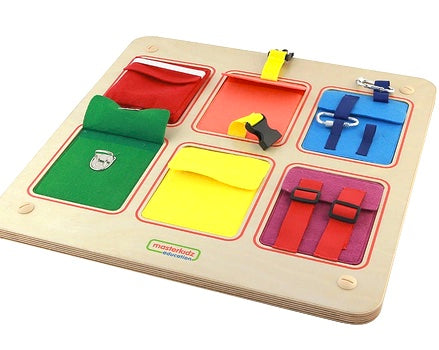
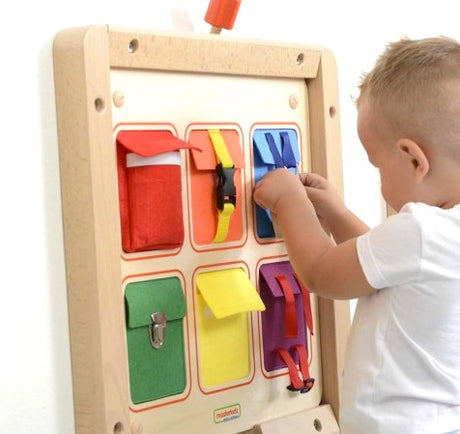
Activity Board - Buckles, Clips and Velcro
Regular price $18689Unit price /Unavailable-
 Sale
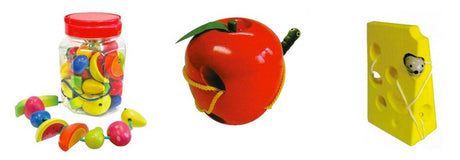
SaleLacing Fruits, Apple and Cheese Set
Sale price $4939 Regular price $6237Unit price /Unavailable Regular price $1749Unit price /Unavailable
-
- Regular price $5489Unit price /Unavailable
-
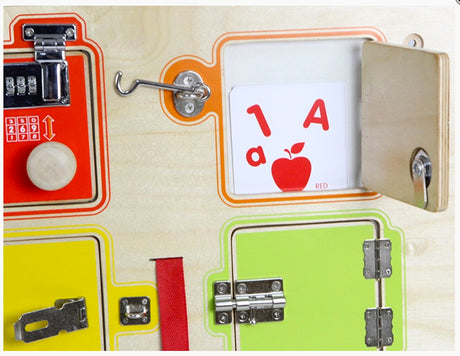
Activity Board - Locks and Hinges
Regular price $25289Unit price /Unavailable-
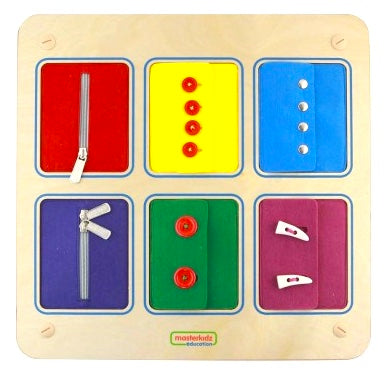
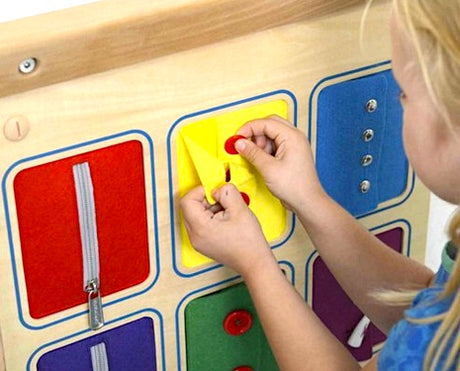
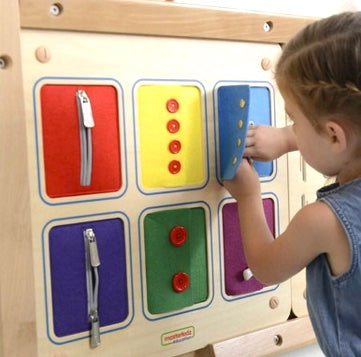
Activity Board - Zippers and Buttons
Regular price $18689Unit price /Unavailable-
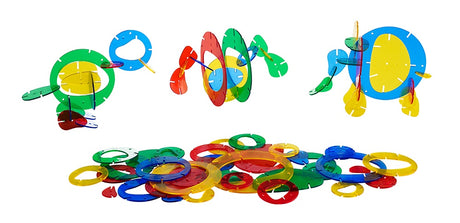
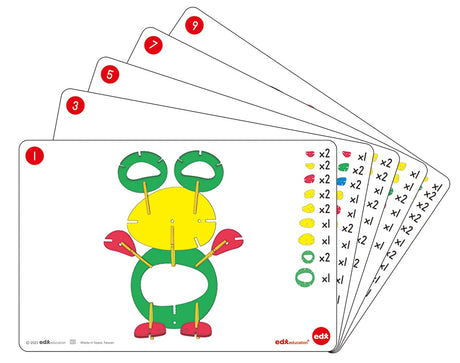
Interlocking Translucent Rainbow Orbs 108pcs
Regular price $7689Unit price /UnavailableVery low stock (1 unit)-
- Regular price $6589Unit price /Unavailable
-
 Regular price $2079Unit price /Unavailable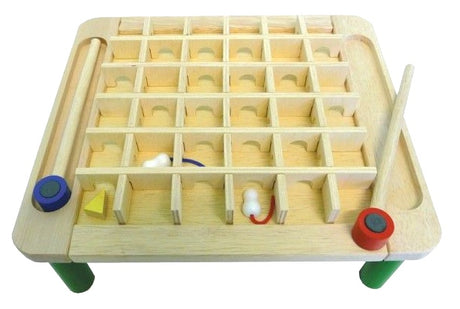
Mouse and Cheese Magnetic Maze
Regular price $6149Unit price /UnavailableVery low stock (2 units)- Regular price $16489Unit price /Unavailable
-
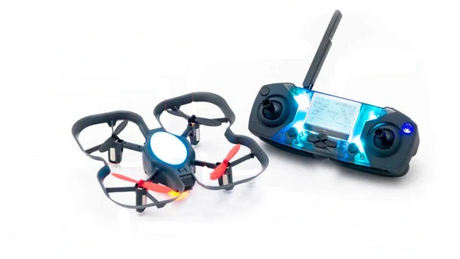
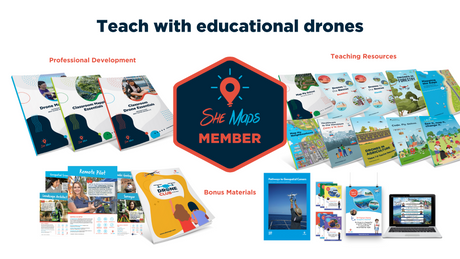
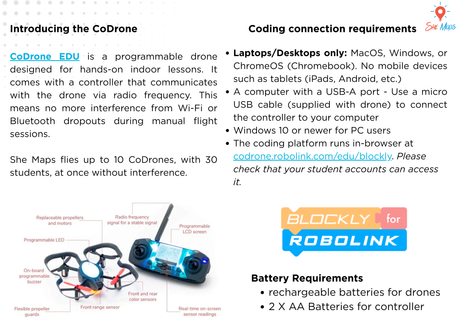
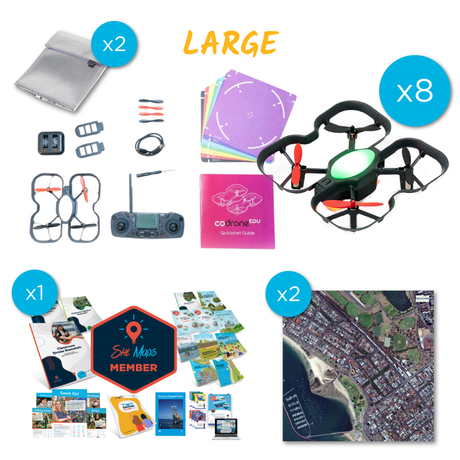
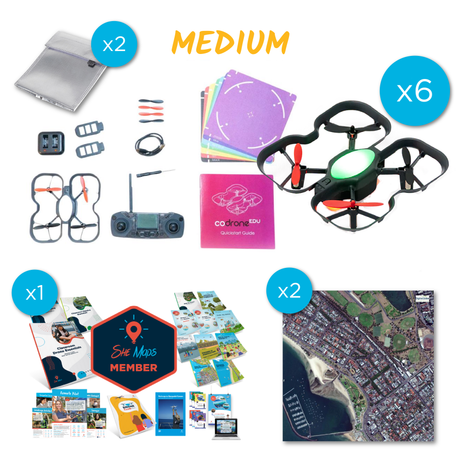
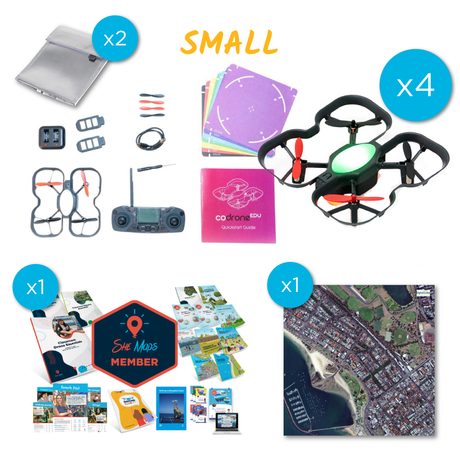
Classroom Drone Kits + Drone Education Membership
Regular price From $32500Unit price /Unavailable-
- Regular price $4389Unit price /Unavailable
-
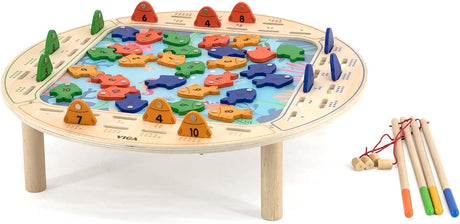
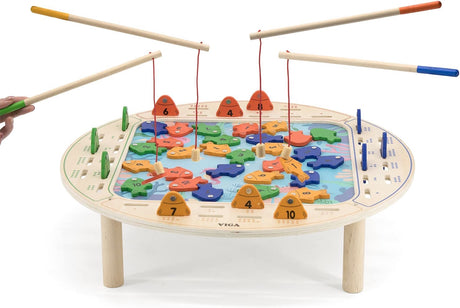
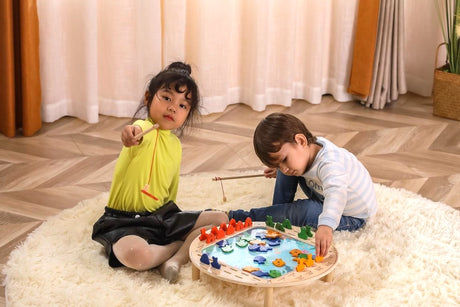
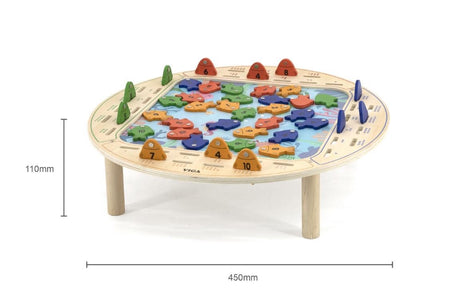
Magnetic Fishing Game Table 44pcs
Regular price $9889Unit price /Unavailable-
Activity Board - Hand Coordination
Regular price $30789Unit price /Unavailable-
- Regular price $14289Unit price /Unavailable
-
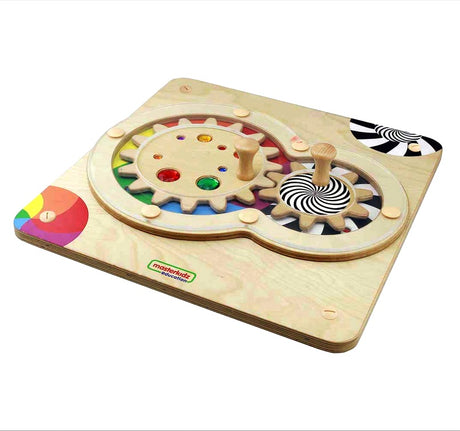
Activity Board - Spinning Wheels
Regular price $21989Unit price /Unavailable-
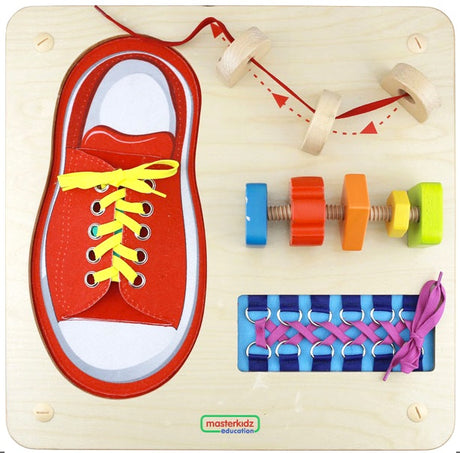
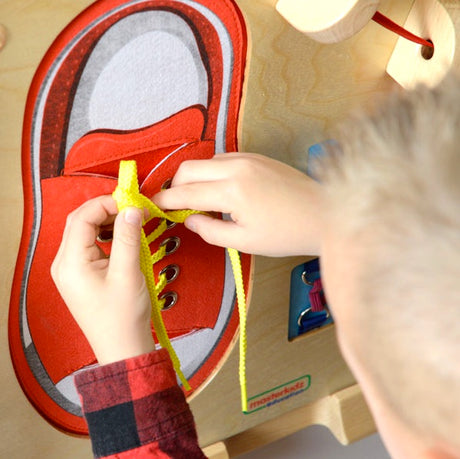
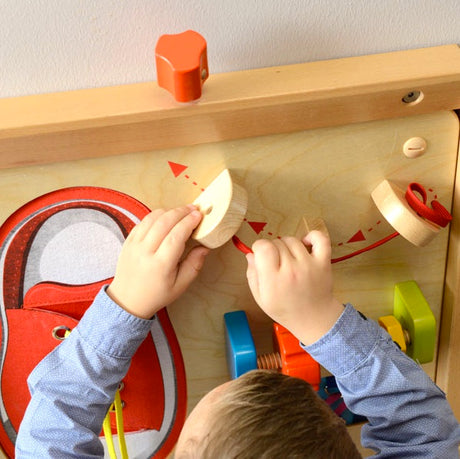
Activity Board - Lacing and Threading
Regular price $20889Unit price /Unavailable-
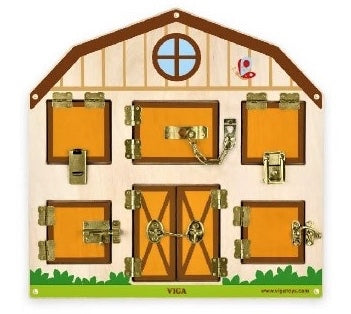
Doors, Hinges, Latches and Locks Barnyard Reveal
Regular price $16489Unit price /Unavailable-
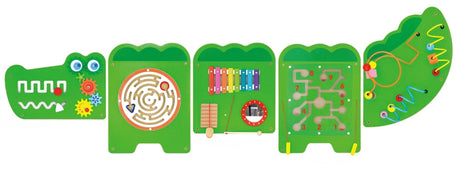
11 Activities Crocodile Wall Mount
Regular price $43989Unit price /Unavailable Regular price $6589Unit price /Unavailable
- SaleSale price $2156 Regular price $2695Unit price /UnavailableVery low stock (2 units)
-

Sandpaper Gradation Tiles in Wooden Box 10pcs
Regular price $14289Unit price /Unavailable- Sold outRegular price $3124Unit price /Unavailable
-
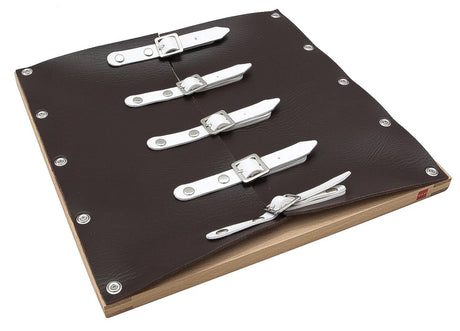
Five Buckles Dressing Frame – Co-ordination & Independence Builder
Regular price $7689Unit price /Unavailable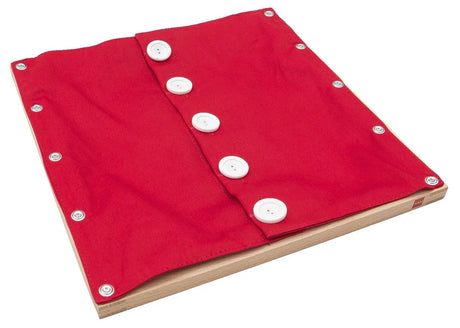
Big Buttons Frame – Beechwood Dressing Aid 30cm
Regular price $6589Unit price /Unavailable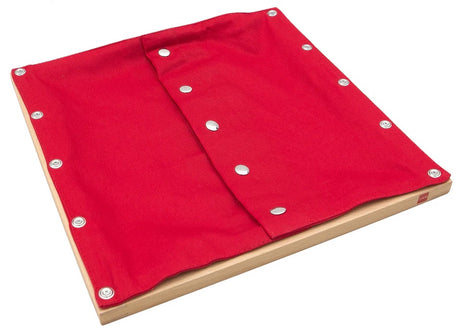
Snapping Studs Frame – Early Learning Dressing Resource
Regular price $6589Unit price /Unavailable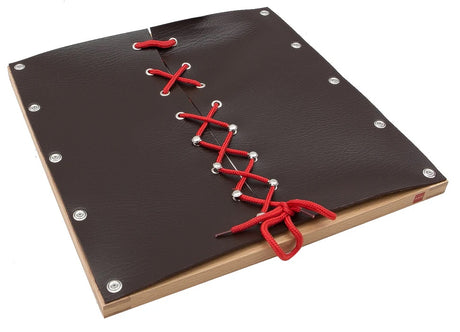
Boot Lacing Frame – Fine Motor & Independence Builder
Regular price $7689Unit price /Unavailable
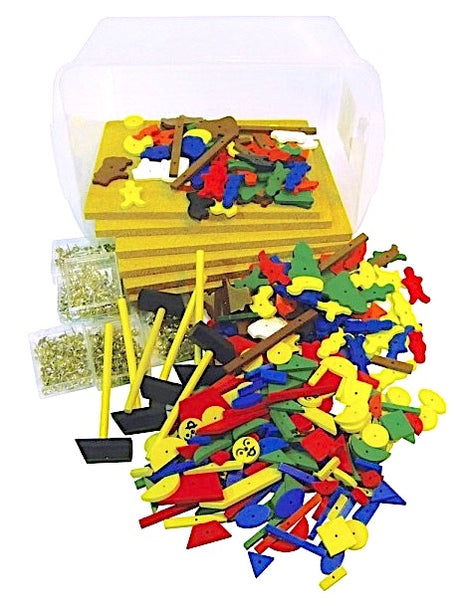
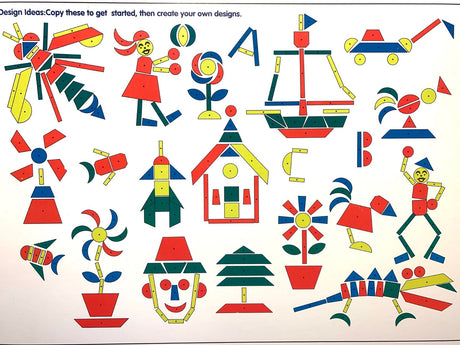

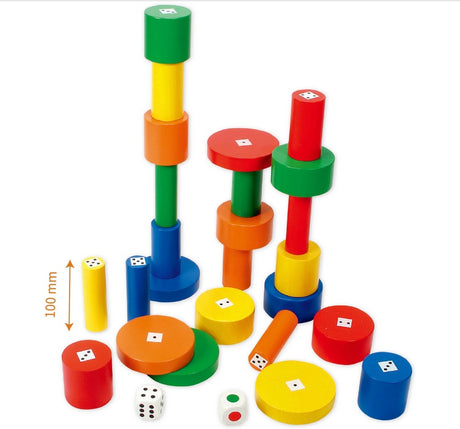
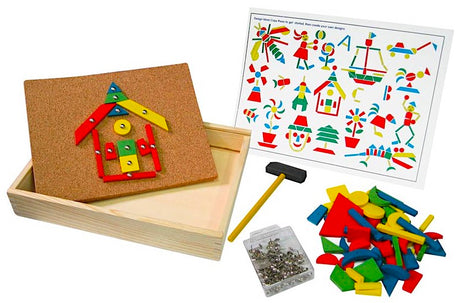
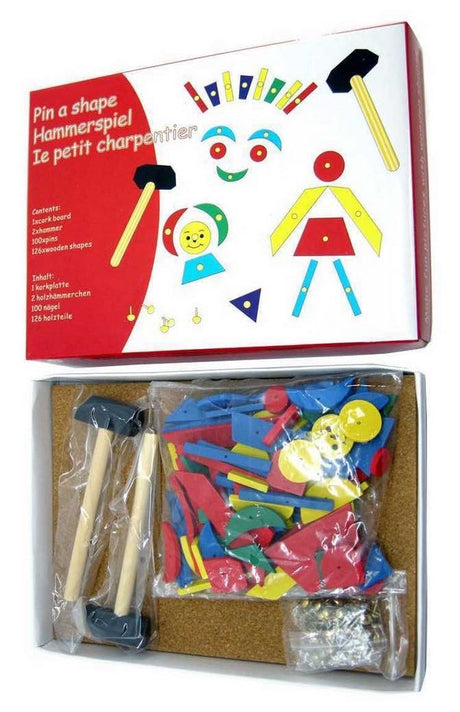
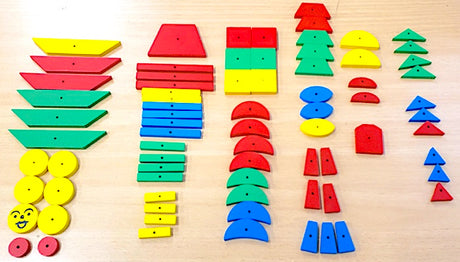
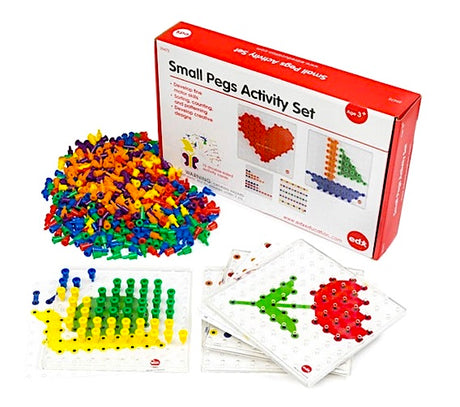
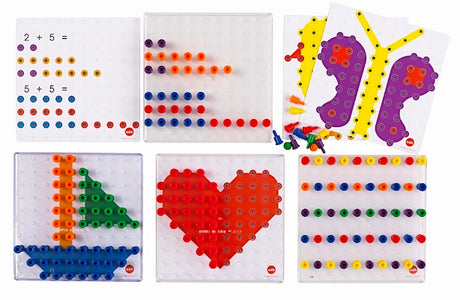
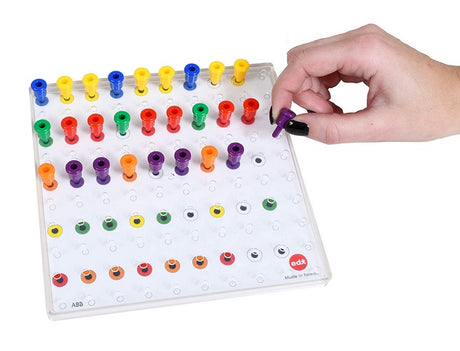
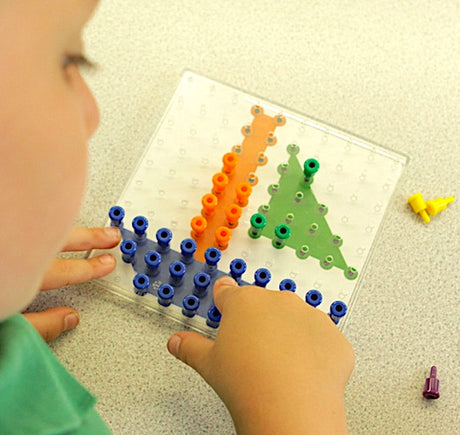




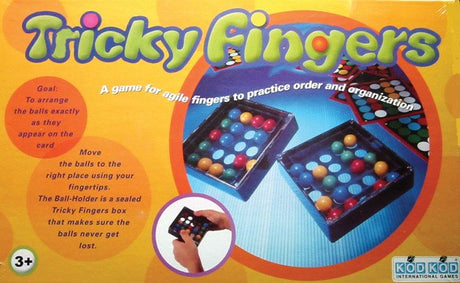
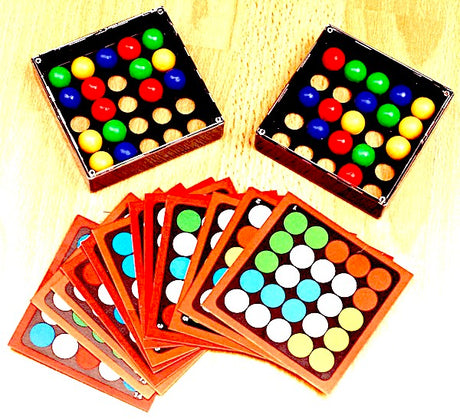

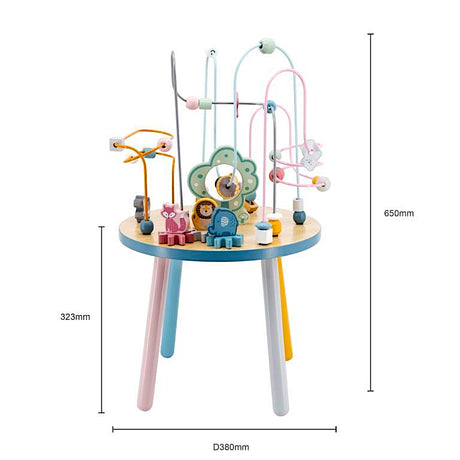
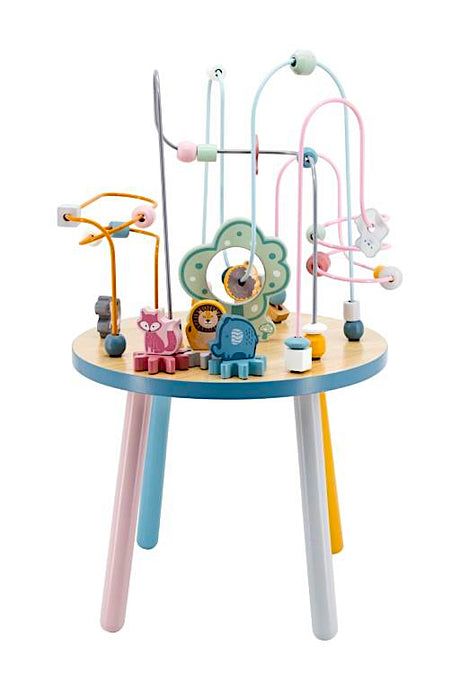
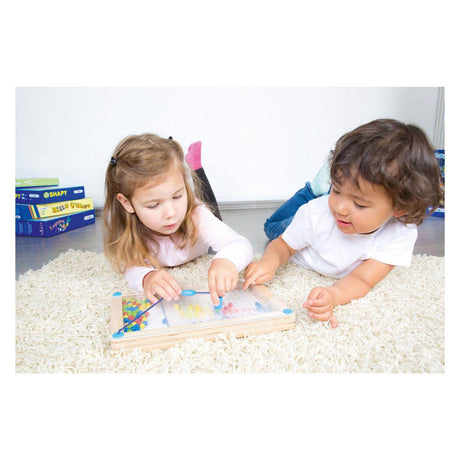
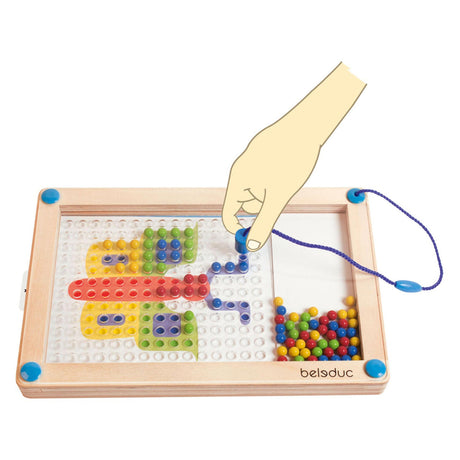
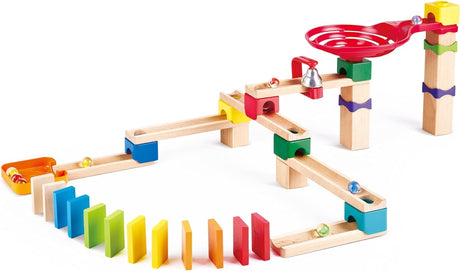
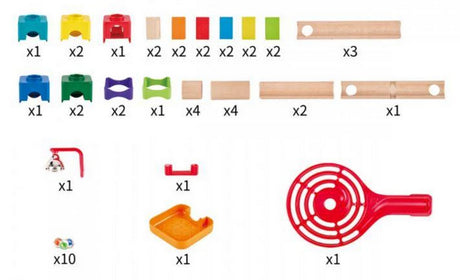
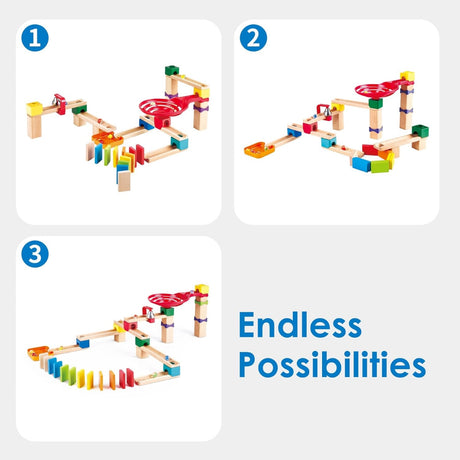
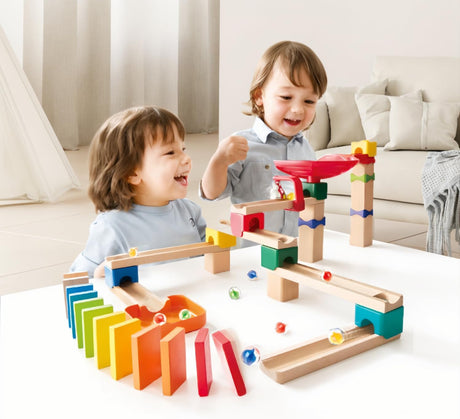
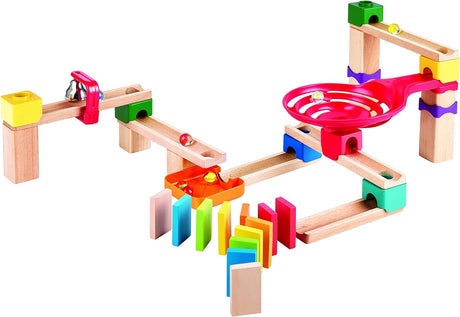
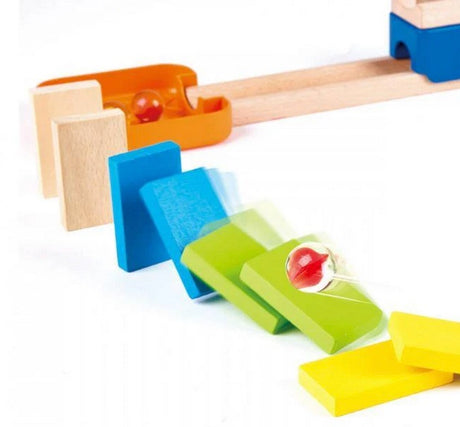


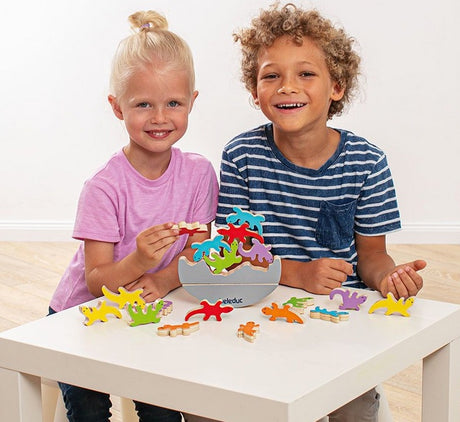
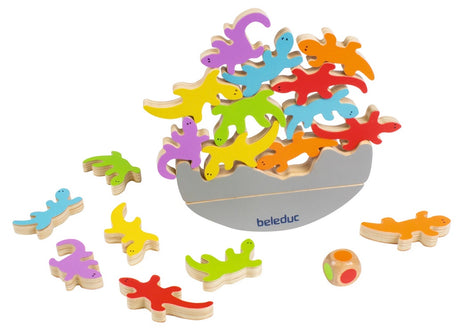
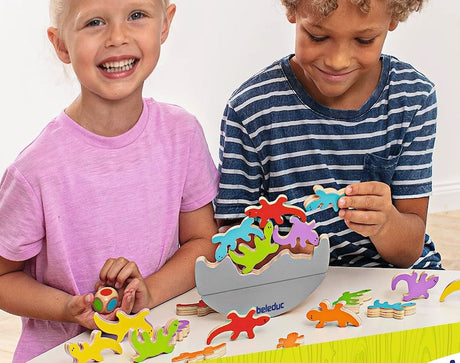

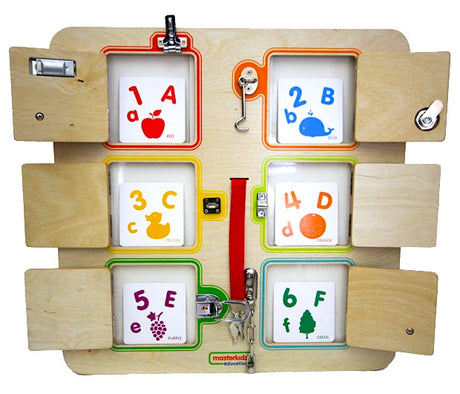

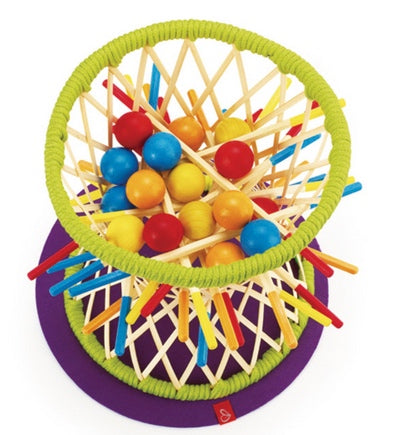


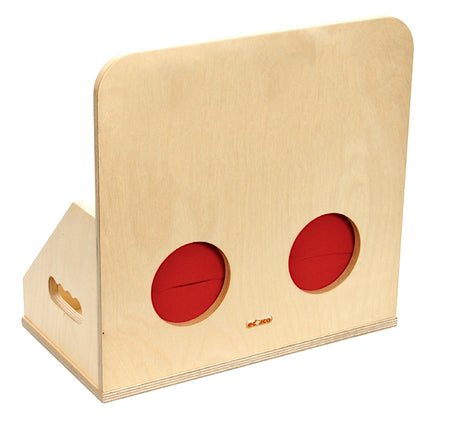
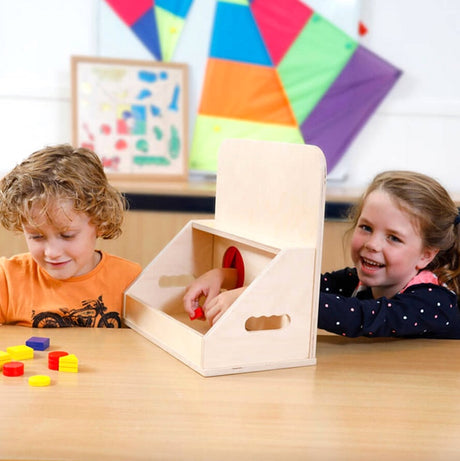

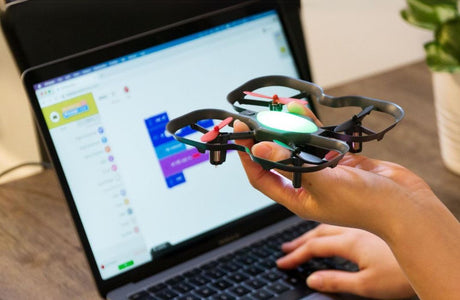

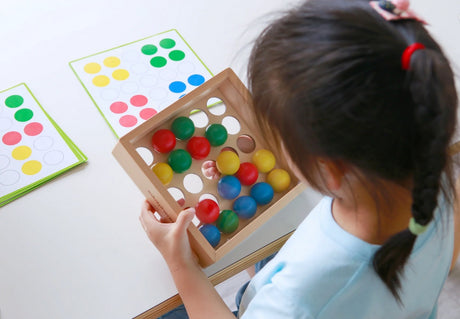


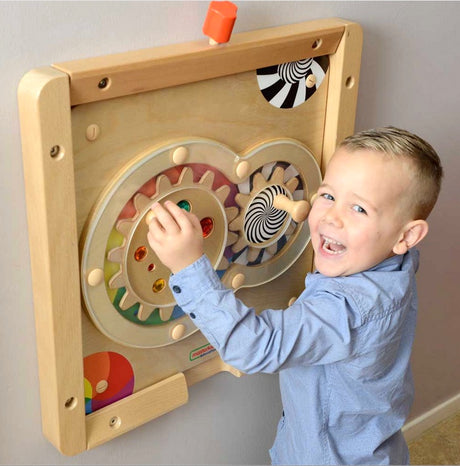

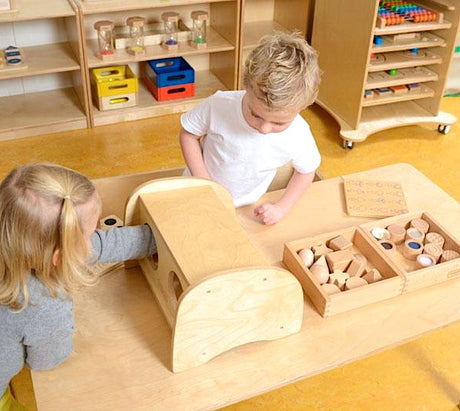

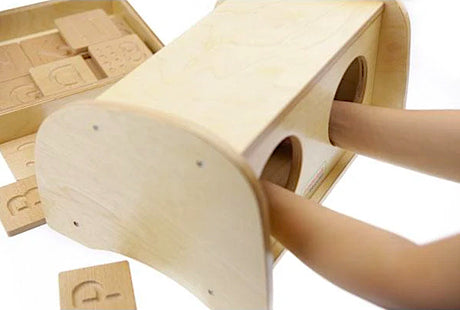
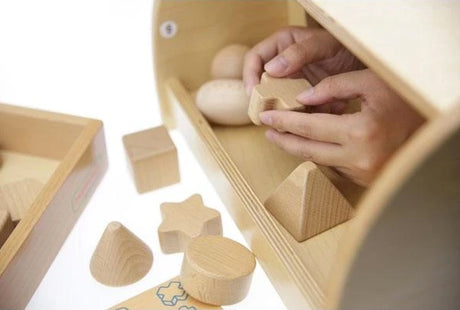


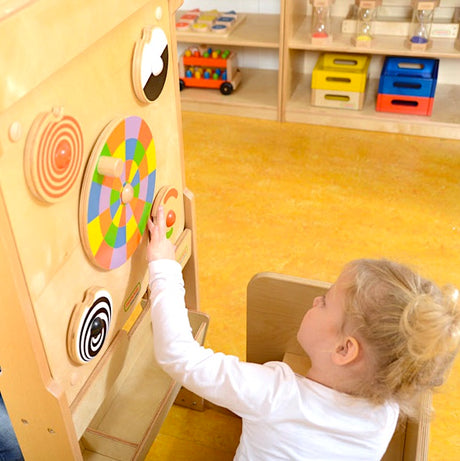
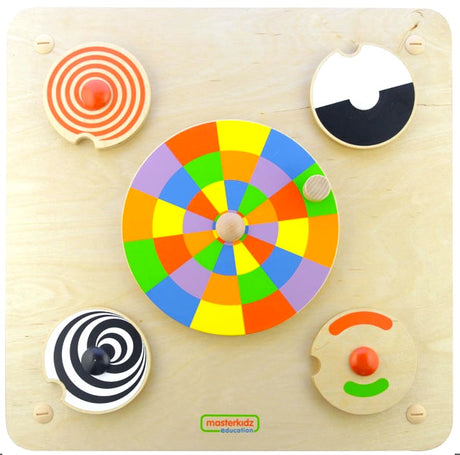
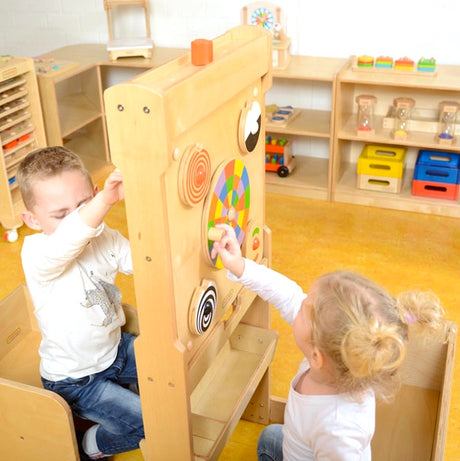
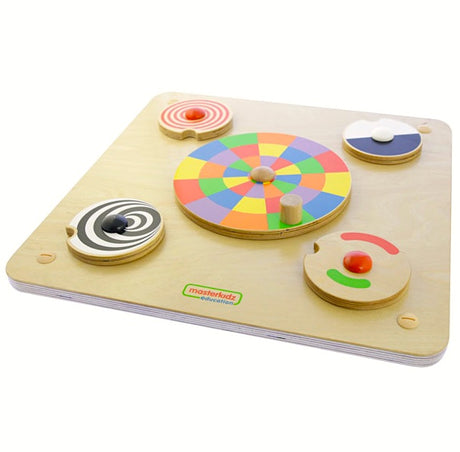


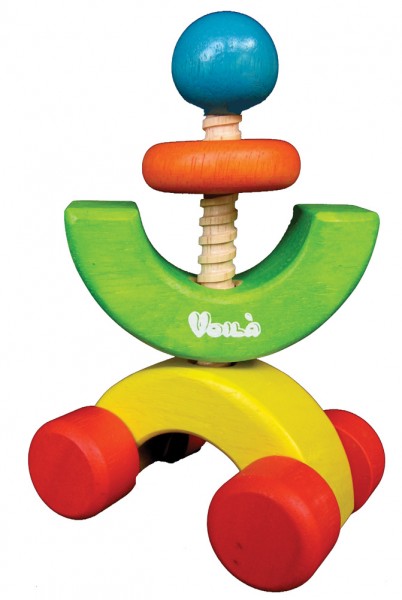
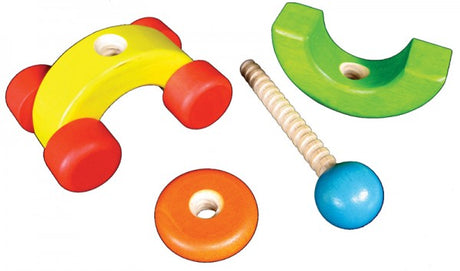


Support little hands as they develop strength, coordination and confidence with EDU-21's engaging range of Fine Motor Tools. Designed to encourage hands-on exploration and purposeful play, our collection features educational resources that help children strengthen finger dexterity, hand-eye coordination, concentration and essential fine motor skills.
Perfect for childcare centres, kindergartens, preschools, primary classrooms and home learning environments, these versatile resources encourage children to practise grasping, manipulating, threading, stacking and coordinating small movements through enjoyable, play-based activities.
Building Fine Motor Skills Through Play
Fine motor development plays an important role in helping children gain independence and prepare for everyday activities such as drawing, writing, fastening buttons and using classroom tools.
Our Fine Motor Tools collection offers engaging opportunities for children to practise controlled hand movements, improve coordination and develop confidence through repeated hands-on experiences.
Explore educational resources including:
-
Pegboards & Peg Activities – Encourage finger dexterity, hand-eye coordination, pattern-making and precise placement.
-
Threading & Lacing Resources – Support bilateral coordination, concentration and controlled hand movements.
-
Stacking & Manipulative Toys – Develop grasping, coordination, spatial awareness and problem-solving skills.
-
Fine Motor Activity Boards – Encourage children to practise manipulating objects, following pathways and completing hands-on challenges.
-
Construction & Connecting Activities – Strengthen finger control, creativity and coordination through assembling and connecting pieces.
-
Sensory & Tactile Resources – Provide opportunities for hands-on exploration, squeezing, manipulating and developing hand strength.
Supporting Early Childhood Development
Our Fine Motor Tools encourage children to:
-
Strengthen finger muscles and develop hand control
-
Improve hand-eye coordination and visual tracking
-
Practise grasping, pinching, threading and manipulating objects
-
Develop bilateral coordination using both hands together
-
Build concentration, patience and problem-solving skills
-
Support pre-writing readiness and everyday independence
-
Explore creativity and imaginative thinking through hands-on play
Ideal for Early Learning and Classroom Activities
Fine motor activities can be incorporated into learning stations, sensory play experiences, small group activities, classroom rotations and individual skill-building sessions.
Educators can use these resources to create engaging opportunities for children to practise essential developmental skills at their own pace, from simple grasping and stacking activities to more challenging coordination tasks.
Whether supporting early childhood development, preparing children for writing or encouraging independent exploration, EDU-21's Fine Motor Tools collection provides practical, engaging resources that help little hands develop important skills through play.
Explore our collection and discover educational tools that inspire confidence, coordination and creativity in every learning environment.

